Why Israel Can’t Hold a Government
We’re off to national elections this October. But the current government has been imploding for some time now, so we may have them a month early—because, why not? Who needs a predictable rhythm of election cycles when you can enjoy a spontaneous national reset at will?
It would be comical if it weren’t such an obvious sign of dysfunction, but I can’t remember the last time Israel’s Knesset (Parliament) was able to complete an entire term. And it’s worth understanding why.
Let’s start with the big picture.
Freedom is Messy
It seems counterintuitive, but democracies look and feel messier than dictatorships. In the democratic pursuit of a healthy society, many ideas and propositions must be laid out on the table and openly discussed. The hope is that by bringing a variety of people’s priorities and insights into the conversation, a comfortable middle ground can be found that proves beneficial to fostering a vibrant culture and economy.
In a dictatorship, the surface can be kept much cleaner and quieter since the opposition can be suppressed, forcibly disappeared or eliminated entirely. A small group of ideological men determine how the masses live, and dissenting voices cannot openly challenge.
It looks better, but it isn’t.
When it comes to the Middle East, Israel could be described as the most resilient entity in the region. That isn’t to say life is predictable or the governmental structure is ideal. But in context of the incredibly volatile nature of countries in the Middle East—where public protests against injustice can lead to a government’s swift collapse—Israel is a bastion of stability.
And still, we have a hard time holding an elected coalition for a full term. In fact, while each election is supposed to result in a 4-year tenure for the Knesset and prime minister, completing a full term is a rare accomplishment. Case in point, between 2019-2022 Israel held no less than 5 elections!
In 2022, Netanyahu finally put together a coalition that has held together almost the entire 4 years! Apparently, war is a powerful bonding force, because it would be hard to argue that this government’s resilience is a result of a highly functioning Knesset that was busy finding a healthy middle ground for the people.
Whether their cause was just or not, in its first year, the heavily right-wing coalition pushed its agenda so aggressively, that it triggered protests of tens of thousands of Israelis every weekend for months. The protests were so intense that in March of 2023, the Minister of Defense publicly warned that, while he agreed judicial reforms were necessary, the Knesset’s rushed process was causing a rift so deep that it was affecting morale in the military. This was a critical red line, dangerous for a nation like Israel that is surrounded by enemies waiting for a weak moment to strike.
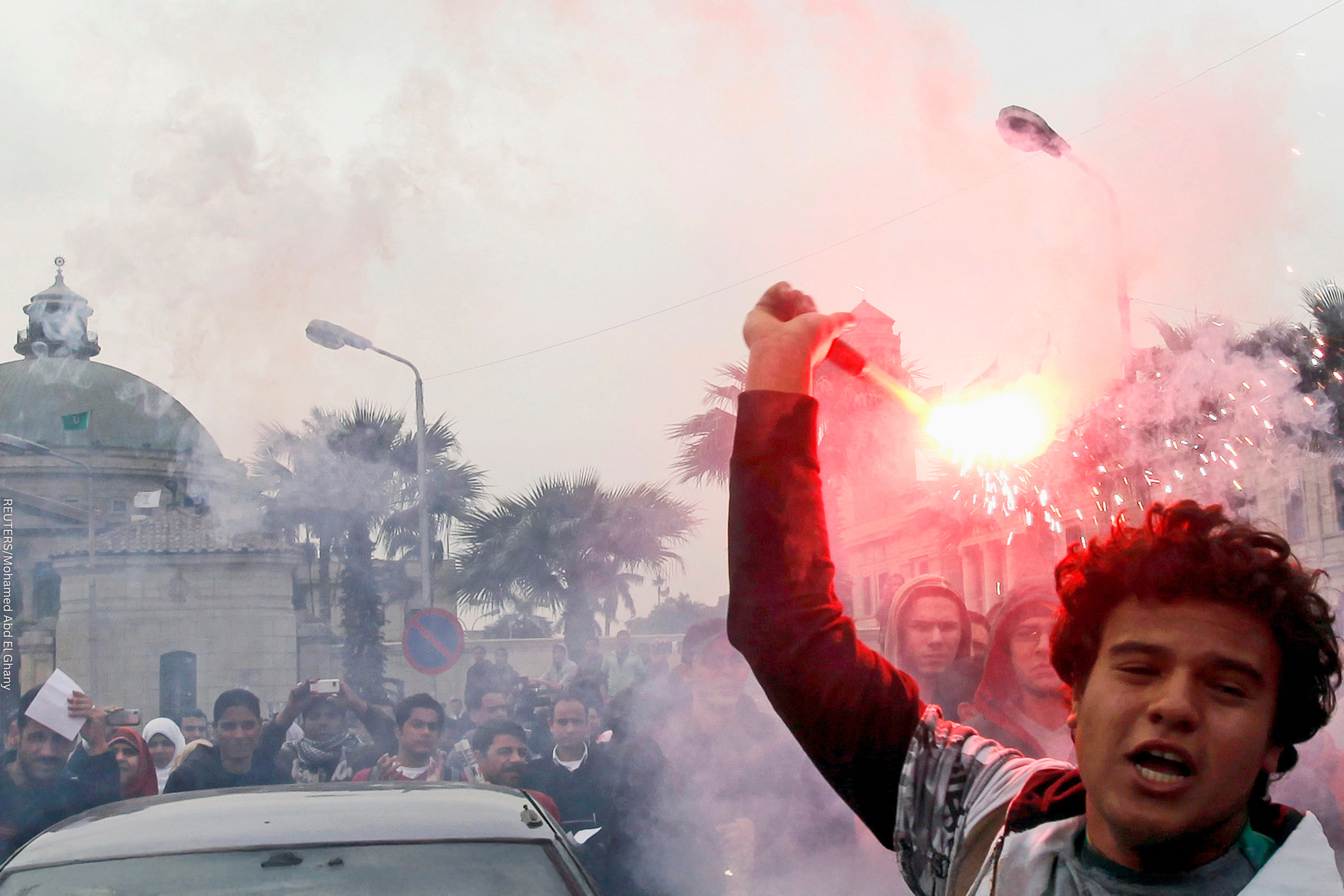
In response, PM Netanyahu fired the defense minister, Yoav Gallant. The protests reached fever pitch until a few weeks later, the defense minister was reinstated. Still, transactions like this were very telling of the chaotic political mood of the country at the time.
The coalition continued to push its political agenda, and within months, sadly, the defense minister was proven devastatingly correct. Our enemies were watching. They had spent years preparing. Cheering on our internal conflicts. Waiting for the perfect moment to strike.
The success of Hamas’ attack on October 7th was so shocking that conspiracy theories ran wild. Israel lovers and haters alike couldn’t fathom how the IDF could respond so incompetently to an attack within its borders. They didn’t know we’d been busy devouring ourselves for the past year.
The severe wound Hamas inflicted that dark day was enough to snap Israelis back into the reality that politics had to wait while we fought collectively for our survival. Elections during wartime are risky business. And so, political allies and opponents rallied and fought our enemies on seven fronts for two years. By the time the hostages were returned, and a ceasefire was declared, almost three years of this coalition had gone by.
Three Things
Three issues dominate Israeli politics and are the reason a coalition is so hard to hold: judicial reform, budget allocations and military service.
Despite the off-and-on war with Iran, the present trickle of strikes from Gaza and constant attacks from Lebanon, politics in the year 2026 feel more “normal”. The religious-right dominated coalition is back to pushing its polarizing agenda and the opposition is back to—well, opposing. So why do these three issues keep sending us to another round of elections?

The first issue is judicial reform.
To be fair, as a young 78-year-old country, there are things in the judicial system that need to be revamped. The question is, “How and what needs to change?” Currently the balance of power is divided between the prime minister, the Knesset and the Supreme Court. However, because the Knesset is made up of a coalition built by the prime minister, they are essentially of one mind. This leaves only the Supreme Court to counterbalance lawmakers—a necessary dynamic in any healthy democracy.
The protests in 2023 began when PM Netanyahu’s coalition began pushing for influence in choosing Supreme Court judges, and having the power to pass foundational laws that cannot be challenged by the Supreme Court at all. The Ultra-Orthodox (Haredim) want this power so that when they pass laws that favor their ideologies, pocketbooks, and exempt their military service, the Supreme Court wouldn’t be able to void anything.
Aside from the obvious internal problems this power grab would create, Israel’s autonomous judicial branch is a wall of defense against international courts that constantly demand independent investigations against Israel. To even have the appearance that our courts could not stand up to misbehaving politicians would swing wide the doors to a barrage of international interventionists.
The second issue is budget allocation.
No country is perfect. But a good government at least attempts to pursue the benefit of all its constituents equally. Which is why the highly disproportionate funding of the ultra-religious community is strongly resented by the rest of the country.
Where the tension lies is that their communities draw a disproportionate amount of funding while giving little back to the collective pot. At nearly 20% of the population, they only cover 4% of the national budget!
Haredim live in government-subsidized communities where rent, taxes and other basic expenses are a fraction of the cost of all of the rest of Israel’s citizens. Moreover, their religious public schools, that do not teach subjects such as math and English, receive more funding than secular schools! The government spends vast amounts on an educational system that does not prepare its children to integrate into the modern workforce.
Third is mandatory military service.
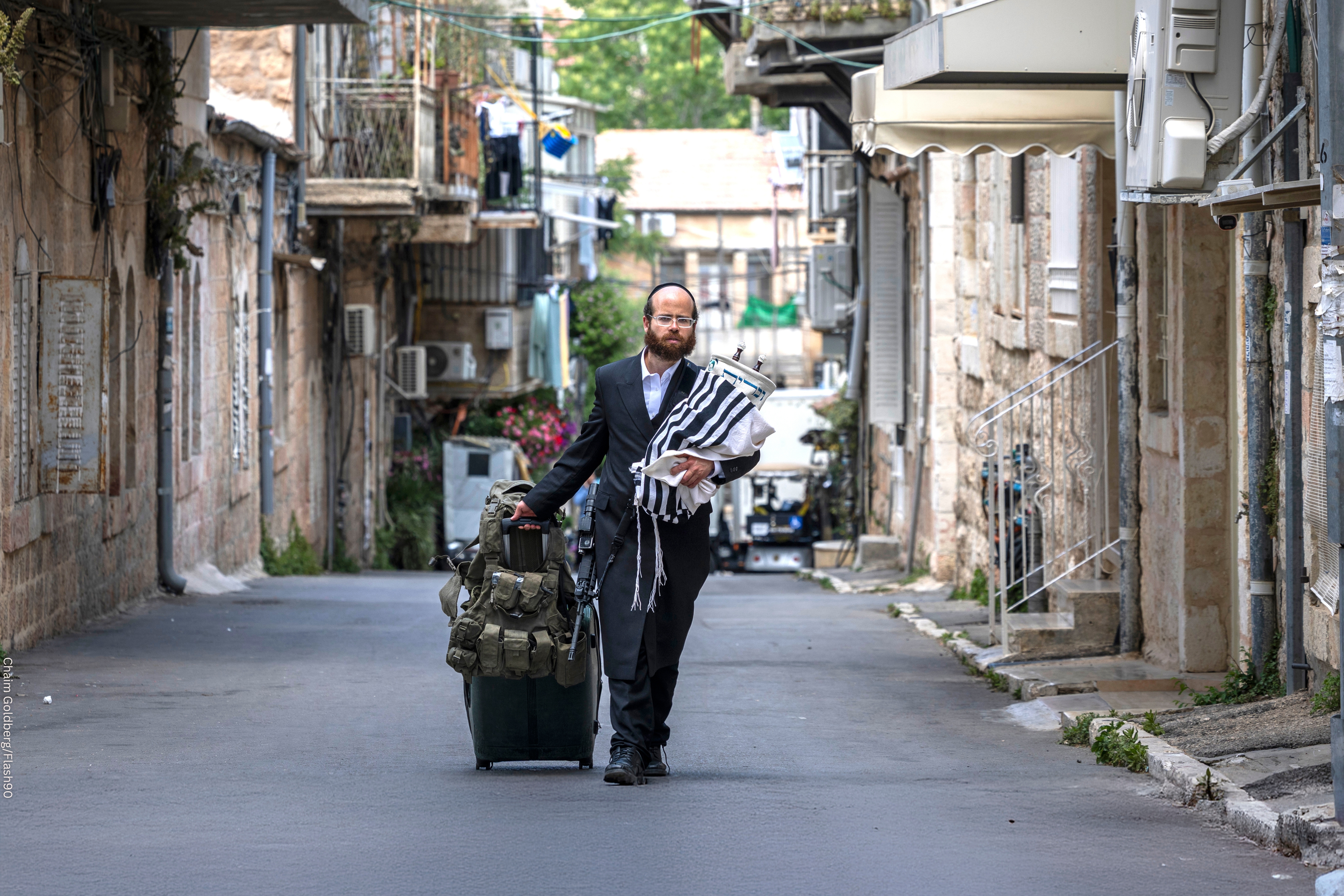
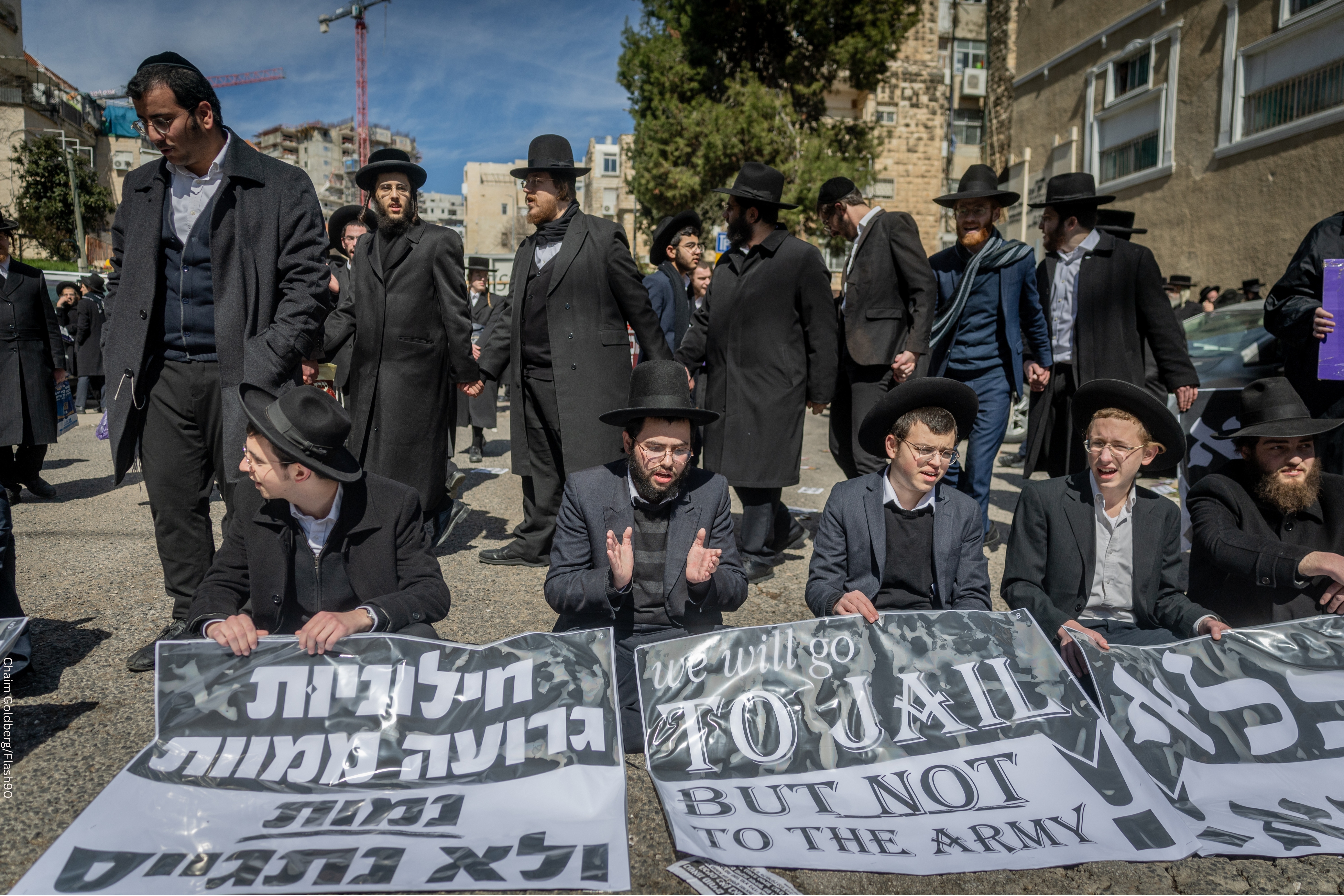
In keeping with the principle that the burdens of national life should be shared equally, all Israeli citizens (Arabs excluded) are required to serve in the military. It’s the law. Secular Israelis who dodge the draft are blocked from leaving the country, imprisoned and blacklisted from later career opportunities. However, when it comes to the Haredim who collectively refuse to serve, the government has historically avoided confronting the issue. Not only is the religious community not penalized-the government actually financially supports their defiant lifestyle.
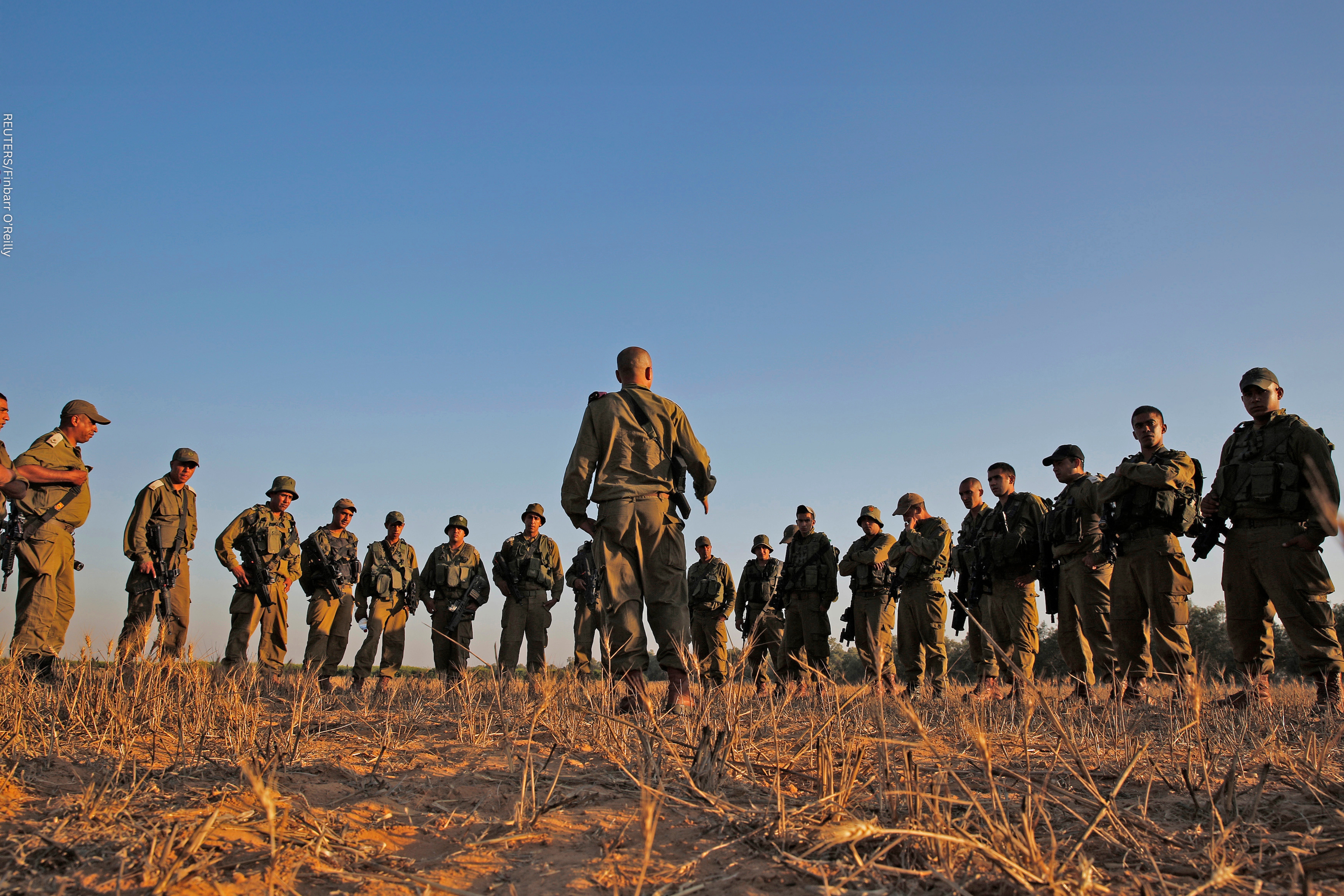
Israel maintains some 170,000 active duty soldiers and 450,000 reservists. Over 400,000 reservists were called up to fight in the October 7th War. They did it gladly, understanding what was at stake. But now, three years later, tens of thousands returned home to crumbled families and bankrupt businesses.
Their absence from the workforce and family structure has had devastating ripple effects on Israeli society. Thousands left the field with PTSD. More than a few who survived the fiercest battles outside, couldn’t overcome the battle inside and ended their own lives after returning to civilian life.
The military is publicly begging for thousands of fresh troops. The 1.5-million-strong ultra-religious Jewish community could provide 70,000 fighters today. And for those who do not want to physically fight, there are plenty of national community service opportunities that would strengthen our nation.
Their response? “We will die before we enlist!”
Hope and Change?
If you’re asking yourself, “Are the majority of Israelis right wing?”, that is a great question!
The answer is yes and no. Socially, Israelis are largely left in terms of their views on socialized healthcare/welfare, LGBTQ+, abortion, environment, etc.
However, there are two areas where Israeli politics differ from the stereotypical left and right as, say, the West understands it. First, in Israel, the political right is made up of religious Orthodox Jews. They support freedom of religion—only so long as it is their version of their religion. Ironically, it is the left that champions the freedom to choose who to worship—which gives the most freedom to Messianic Jews. For example, Tel Aviv’s secular Jewish citizens are far more open to hear about salvation through the Jewish Messiah Yeshua than Jerusalem’s Ultra-Orthodox (Haredim).
Second, unlike other Westernized countries, Israelis understand firsthand the threat imposed by Islamists around us. Meaning, they recognize that one’s social preference doesn’t matter if you’re dead. So, when it comes to priorities—national security trumps all. And security is the political right’s golden cow.
It’s worth adding that part of the systematic dysfunction is due to the dozens of political parties that run on specific platforms and appeal to a highly diverse population in Israel. For example, some 20% of Israel’s population is Arab. And 85% of Arabs vote for Arab parties that are either aggressively anti-Israel, or at least not supportive when conflicts arise with our terrorist neighbors. This means they aren’t even an option when building a coalition that can be relied upon to protect Israelis. And remember, national security is number one in the mind of every Israeli—even the economy comes second. And while the center-left political parties also carry significant votes, the religious right refuses to work with them because they will not agree to their desired religious budget allocations and mandatory service exemptions.
New elections bring little hope for significant change. For better or for worse, Netanyahu remains Israel’s most brilliant politician of all time. As such, he regularly sweeps with him 25% of the national vote. And since the religious right also usually carries around 25% of the vote, their alliance is the most predictable path to a majority.
They form a most amicable coalition for this prime minister as they will support virtually any bill—as long as their community’s funding arrangements and de facto exemption from military service are preserved. On these issues Israel’s government stands and falls each time. Critics would argue the Haredim developed a brilliant strategy of legalized bribery.
The Demographic Gridlock
Almost two decades ago, we began hearing the rumblings of analysts warning about the coming demographic crisis. Israel’s Haredim were having way more kids than secular and traditional families.
Working class Israelis of both secular and more traditional lifestyles grow up dreaming of having families. In pursuit of this, they carefully plan out their army time, career choice and housing in hopes of being able to provide for a wife and, Lord willing, a couple of kids.
Taxes for the average Israeli are high. After all, the government has to cover the heavy burden of the defense budget—and of course the not-insignificant budget for the religious community. Realistically speaking, having a third and fourth child is a luxury mainly for those with lucrative jobs.
On the other hand, huge swaths of Haredim can easily have more than 10 children per family. They live off the permanent welfare dole so long as they remain a part of the religious community. And, their closed culture means the next generation will think and act just like the current—only with quickly expanding numbers.
Point of No Return
Israelis could just shrug and come to terms with this situationship. After all, not everything in life will be fair. However, the real-life consequence of the current condition is that working Israelis have fewer kids because they don’t feel they can afford more. While their taxes go to Orthodox Jews who will gladly multiply as they feel confident the government will always be there for them.
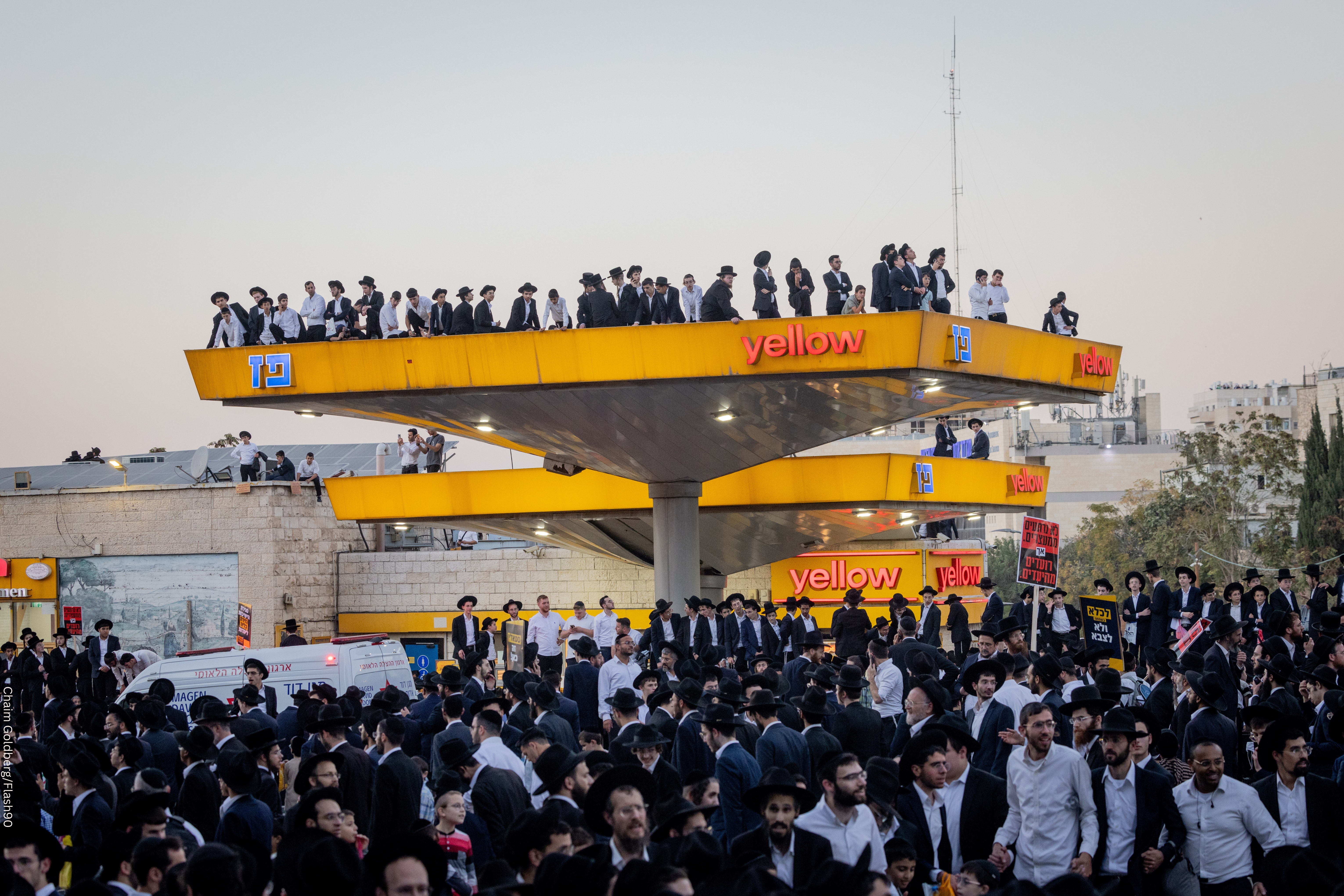
Why does this matter politically? Because the ultra-religious demographic is very tribal in thought. Their rabbis endorse a political party and declare it a spiritual duty to vote, which makes them a highly focused voting block. And despite being about 14% of the voter-age population, their parties currently fill 25% of the Knesset seats—and hold half of the seats in Netanyahu’s current coalition.
Now if 14% of Israelis who are Haredim are able to tip the scale of an election, what does the future hold? Demographers project that in 2030, they will be 16%, and by mid-century, 25 or even 30% of the population.
Even more alarming, despite their growing numbers, they currently generate about 4% of Israel’s total tax revenues! How will the State support itself in this future? How will the State sustain its economy, military, and social systems if a shrinking percentage of citizens carry most of the tax burden, workforce participation, and military service?
Unfortunately, there’s no expectation that the next coalition will be any better.
The political rules in Israel are fluid. We have no constitution to stabilize our democracy. No fundamental laws that can’t be challenged with a simple majority. No term limits. And most significantly, a very volatile balance of powers. For all intents and purposes, we are a nation with an unsustainable trajectory.
But we also have a Book with a perfect track record of foretelling the future. And in the future, Israel exists as a vibrant testimony of God’s faithfulness. So, the politics are messy, and we could be doing better at representing the Creator of all to the world. But perhaps our inability to pull off this modern country thing on our own proves our continuing existence could only happen with God all along.

Stand With Israel’s Believers
Maoz Israel is bringing Yeshua’s truth to every corner of the Land. Your donation equips believers and reaches the lost—be a part of this eternal work today.