Three Wishes
“Tell me. If you had one wish that would change the world you live in, what would it be?”
I had to think about a good answer for a minute.
We could all come up with a wish for personal prosperity and joyful endings. But there is only one answer that would change our lives in Israel.
“I would wish that Israeli Jews would have the same freedoms in Israel that Israeli Arabs and tourists do.”
Yes, you read that right. While pro-Israel advocates laud the one democracy in the Middle East where personal freedom is cherished, this reality is only partially true.
Ironically enough, by law, religious freedom is something everyone in Israel enjoys—except Jews. Thankfully, this is fixable.
Give me three wishes and I can make it happen. Citizenship, communications, and gatherings. One wish for each category. Allow me to explain.
1. Homeless
My first wish would be to give all Jews citizenship.
The Law of Return was established as one of the fundamental purposes of the State of Israel. Israel was to be a safe haven for all Jews experiencing discrimination, persecution or attempted extermination around the world.
Critics of the current Jewish state like to say, “If there had not been a Holocaust, there would not be an Israel today,” implying that Israel has no historical legitimacy and would have never had the political backing to become a state, without the bleeding hearts of world leaders at the end of WWII.
To this, Israel has retorted, “If there had been an Israel, there would not have been a Holocaust.”
In building a new state that sought to draw Jews back from all over the world, the most nuanced question was, “After 2000 years of exile, how could one determine what a Jew was?” Simple. Use the Nazi standard.
According to the Nuremberg Laws that established Nazi policy, a “Jew” was a person with a parent, grandparent or even spouse (!) of Jewish ancestry, whether they practiced their religion or not. This standard was unapologetically unalterable, thanks to forerunners like Wilhem Marr.
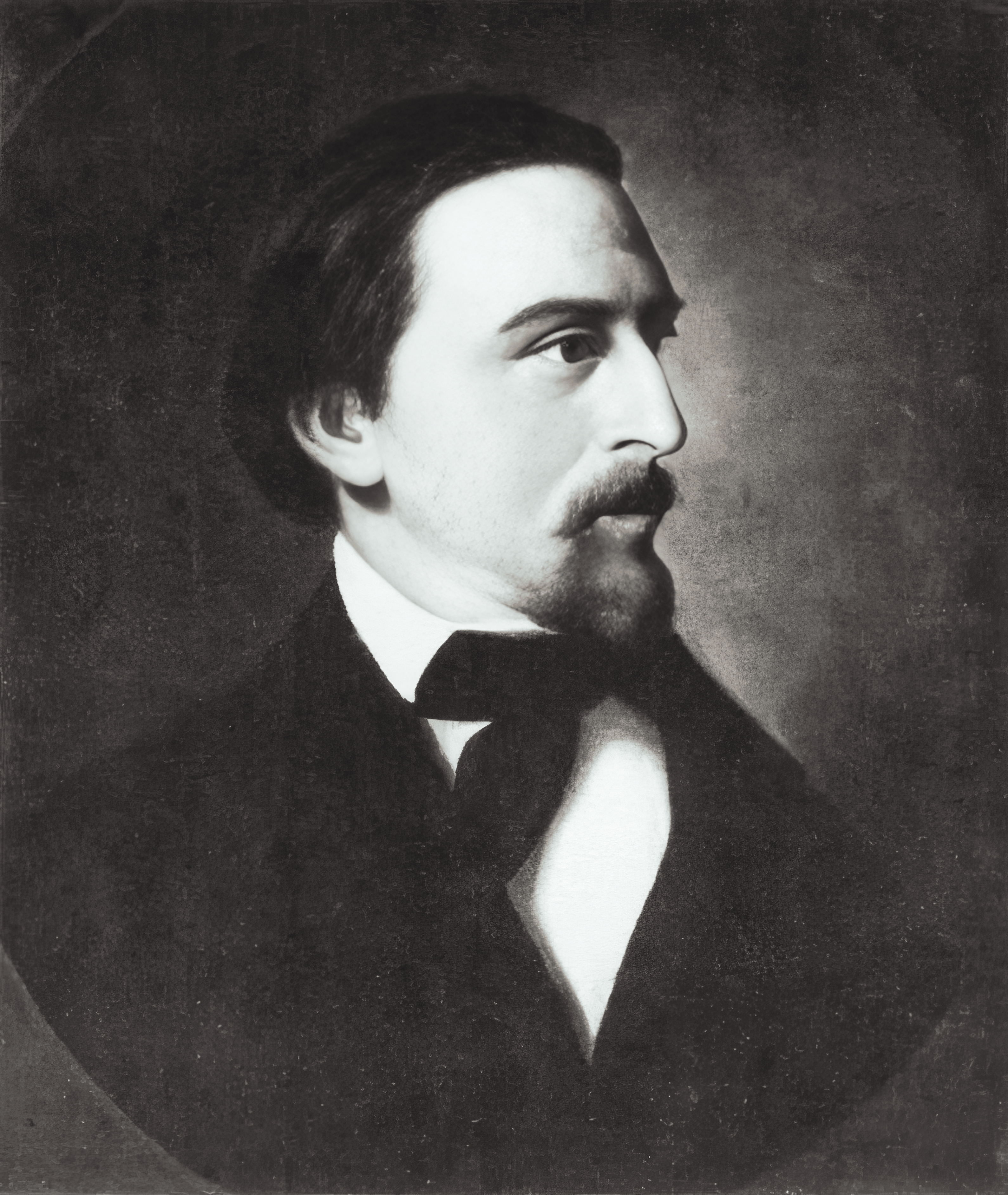
Wilhelm Marr, the man who founded the League of Antisemites in the late 1800s (thus popularizing the term) was dogmatic that Jews were a problematic race. He was insistent they should not be allowed to “opt out” by assimilating into society or converting to another religion. By the time Hitler came into power, his followers understood the task—it was the genetic makeup of the Jewish people that was polluting the earth.
Israel adopted this general standard at first. After all, if you fell into the Nazi definition of Jew, you needed to be protected. Unfortunately, it quickly adjusted its definition to prioritize religious practice over race.
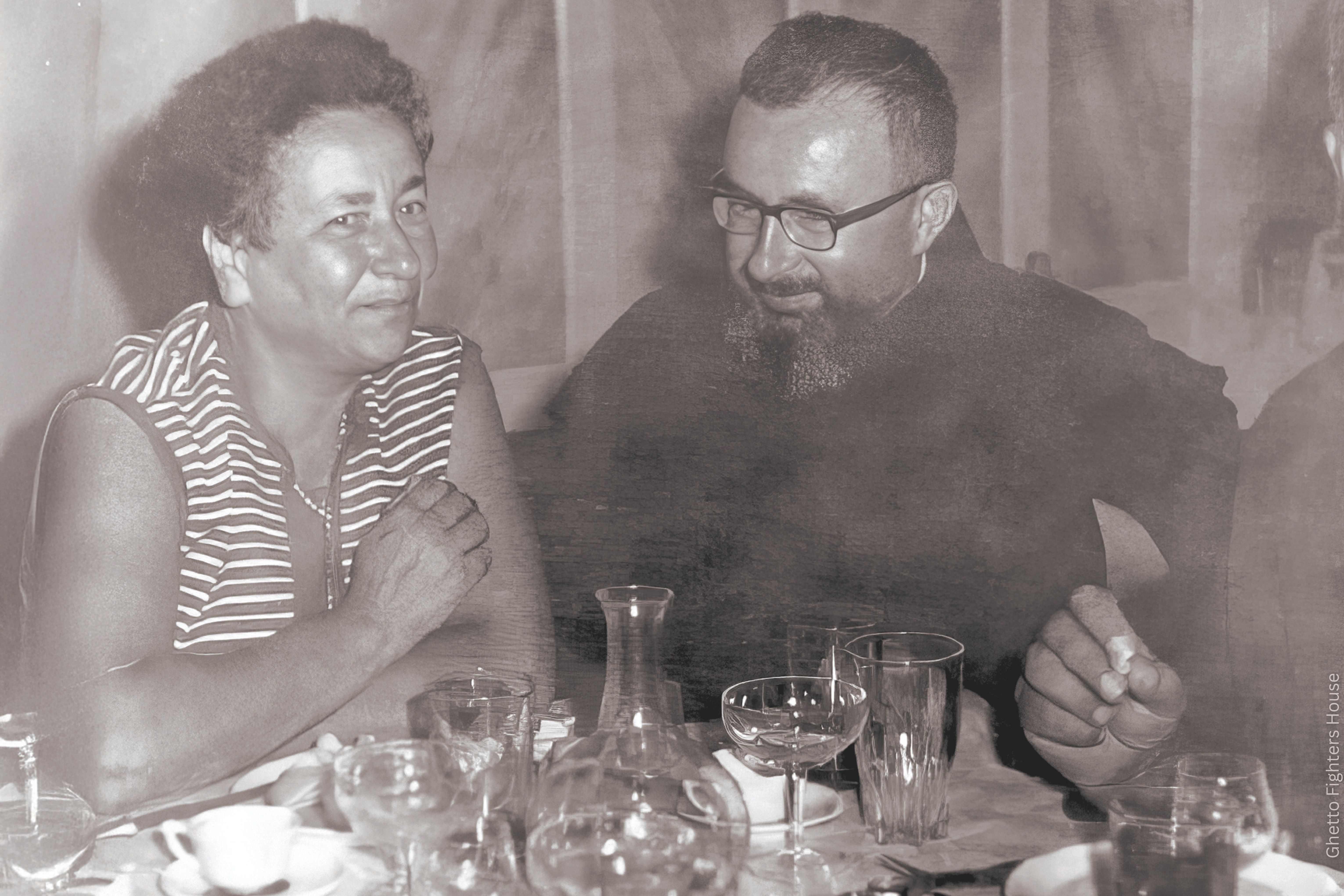
The year 1962 is famous for its Supreme Court ruling against “Brother Daniel”, a Jewish man who was part of a religious Zionist movement during the war, passed himself off as a Gentile and helped some 300 Jews escape to safety. At some point he himself fled and hid in a convent where he subsequently embraced Catholicism and became a monk.
Instead of empathizing with the fact that many young Jews were hidden in Christian communities and would’ve been influenced by this experience, Israel added an amendment to the law stating that if a Jew “changes religions,” they forfeit their qualification for the Law of Return.
When Brother Daniel eventually attempted to immigrate, the rejection from Israel was even more heartless since he had to renounce his Polish citizenship to be allowed to move to Israel in the first place.
No Home
Brother Daniel is not the only one to hit this wall of apathy from the Israeli government.
As recently as 2014, the notable case of Holocaust survivor Jakub Weksler-Waszkinel made the news because, after years of legal challenges, the State of Israel finally acquiesced and granted him citizenship but remained solid in rejecting any status of recognizing him as a Jew.
Jakub was just a few months old during WWII when his Jewish mother gave him up to a Catholic couple she barely knew.
“You are a Christian woman,” his mother pleaded, “You told me you believe in Jesus—He was a Jew! Take my son. Save a Jewish baby in the name of this Jew you believe in. This little one will grow up to be a priest and teach people. You will see.”
The Catholic couple didn’t even have their own apartment; they were renting a room which, of course, would increase their risk of getting caught. But they took him. It was done so hastily that they never learned his name. They would raise him as their own, which meant baptizing him as an infant. He indeed grew up to become a priest and taught philosophy at the University of Lublin.
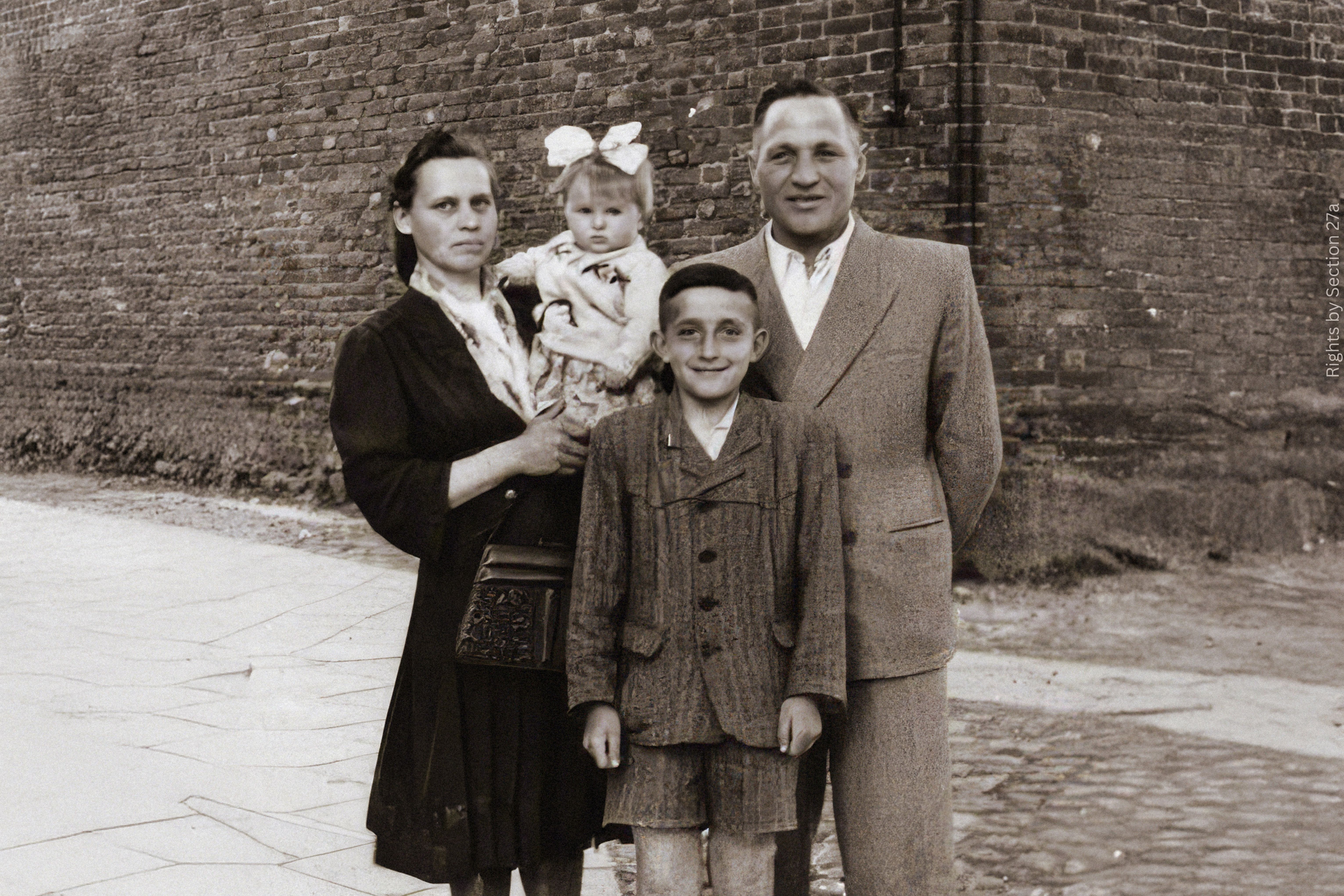
As a child, Jakub remembered looking different than his parents, and some people yelling “dirty Jewish bastard.” He didn’t know what “Jew” meant and his mother told him to “ignore comments from drunkards.” Only when he was 35 did Jakub’s adoptive mother finally break down and tell him—she was not his mother and that he was born Jewish.
From that point on, Jakub was torn. He couldn’t deny the only faith he’d ever known—but he couldn’t resist his Jewish heritage either.
It took years of research to track down information about his family. Around the age of 50, Jakub pursued tiny breadcrumbs of information about his family and visited Israel for the first time. He learned that his birth mother, Batia, was the chairperson of a Zionist organization in the 1930s.
He learned that his older brother, Samuel, had also been given up to a family along with payment to hide him. That family eventually returned Samuel to his parents but kept the payment. It wasn’t long after that his mother, father and brother Samuel were sent to death camps. All three perished there.
From the moment Jakub set foot in Israel, he didn’t want to leave. He visited synagogues and absorbed the Jewish traditions around him. He even met some of his extended family. Finally, he belonged somewhere. He was home.
Still, he first felt to return to Poland on a mission. He wanted to use his life experience and understanding to build bridges between Catholics and Jews. Eventually, his longing for Israel overcame all other desires and he moved to Israel. Jakub submitted his papers proving his Jewish lineage and the documented murder of his family in the Holocaust. That’s when the battle began.
Israel would not accept his Aliyah (immigration) request.
“You’re not Jewish,” Israel explained. “You converted to Catholicism and no longer qualify for citizenship based on the Law of Return.” That his family was murdered for being Jewish didn’t matter. That he would’ve been murdered alongside them had he not been adopted by non-Jews, was also apparently irrelevant.
Jakub explained that he was raised Catholic and never voluntarily converted out of his Jewish heritage. While Israel finally conceded a naturalization process, they never recognized him for who he was—a descendant of Abraham, Isaac and Jacob. An heir of the covenant.
2. Silenced
My second wish would be for a public voice.
Despite its best efforts to control the religious opinions of Jews, Israel is still, in theory, a free democratic country. And with the population of Israel doubling every couple of decades (with waves of Jews fleeing for their lives), inevitably a good number of Jewish believers “slip through.” In addition, many Jews discover Yeshua once they live here.
So how do the religious authorities in Israel keep Jewish believers quiet? How do they effectively block the message of Yeshua without offending the millions of Christians who visit each year?
Simple. You showcase how welcome Jesus is in Israel—in every language but Hebrew.
I remember as a kid attending a conference by a famous international minister. Israeli businesses opened their arms wide to receive the thousands of Christian tourists who flocked to hear the man preach about Jesus, signs and wonders in a large auditorium. No one who attended that meeting knew that the whole event was nearly shut down because the preacher wanted to have Hebrew translation. The Hebrew was left out and the meeting went on as planned.
A recent and more blatant example of this occurred a few years ago, when a broadcast license was approved for a Messianic Hebrew TV channel called “Shelanu” (meaning “Our’s”). The level of elation among Israeli Jewish believers was through the roof! What a breakthrough! Finally, we would be given the ability to say what we believe—and those who didn’t want to hear could change the channel.
The celebrations were, however, short-lived when Orthodox Jewish officials discovered the “travesty” and declared the license was given in error, thinking it was just approving another English-speaking Christian channel. The license was revoked before the channel ever aired.
The message is clear. There shall be no show or commercial on TV or radio where Israelis can learn about Yeshua.
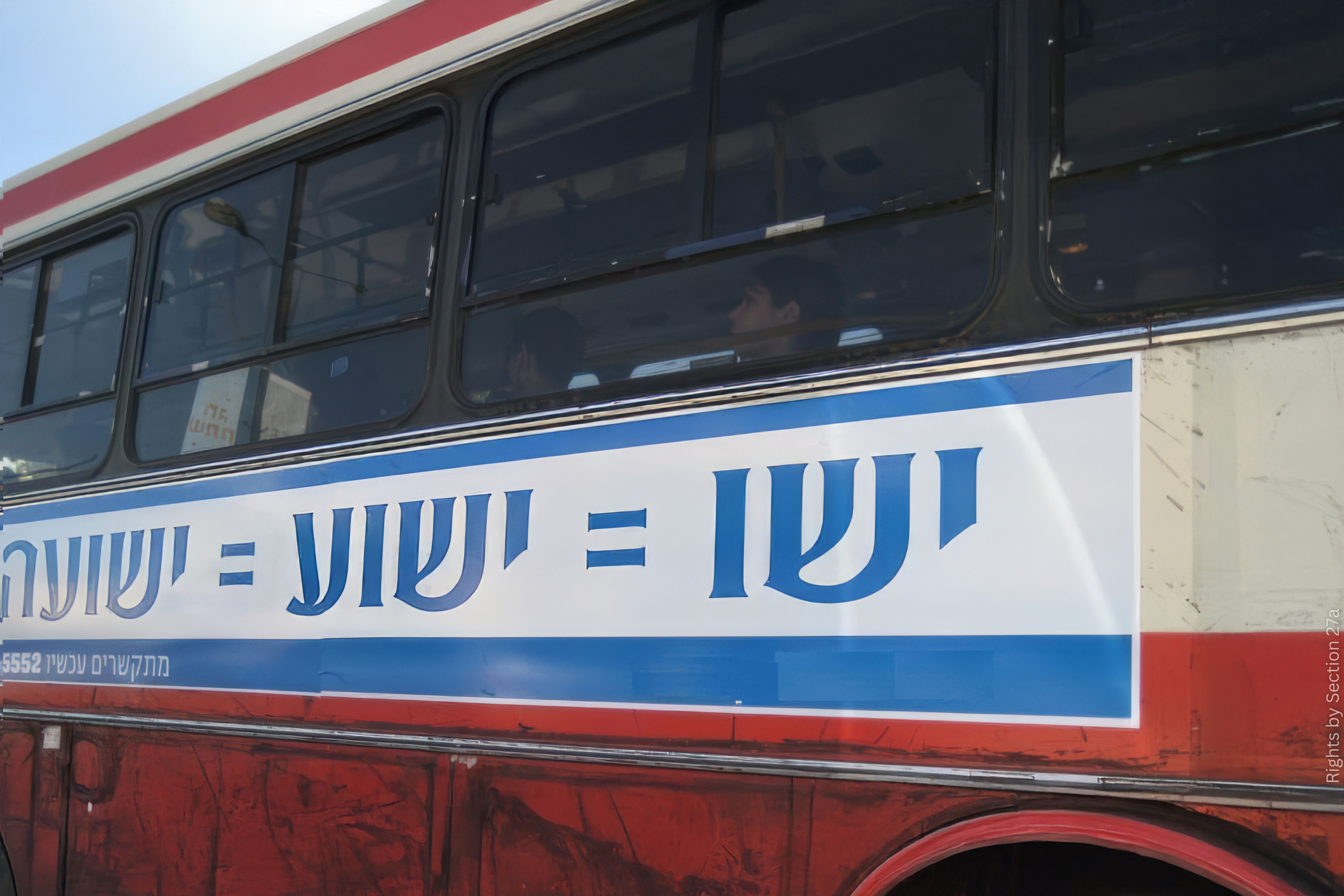
And it’s not just air waves; it’s also printed material.
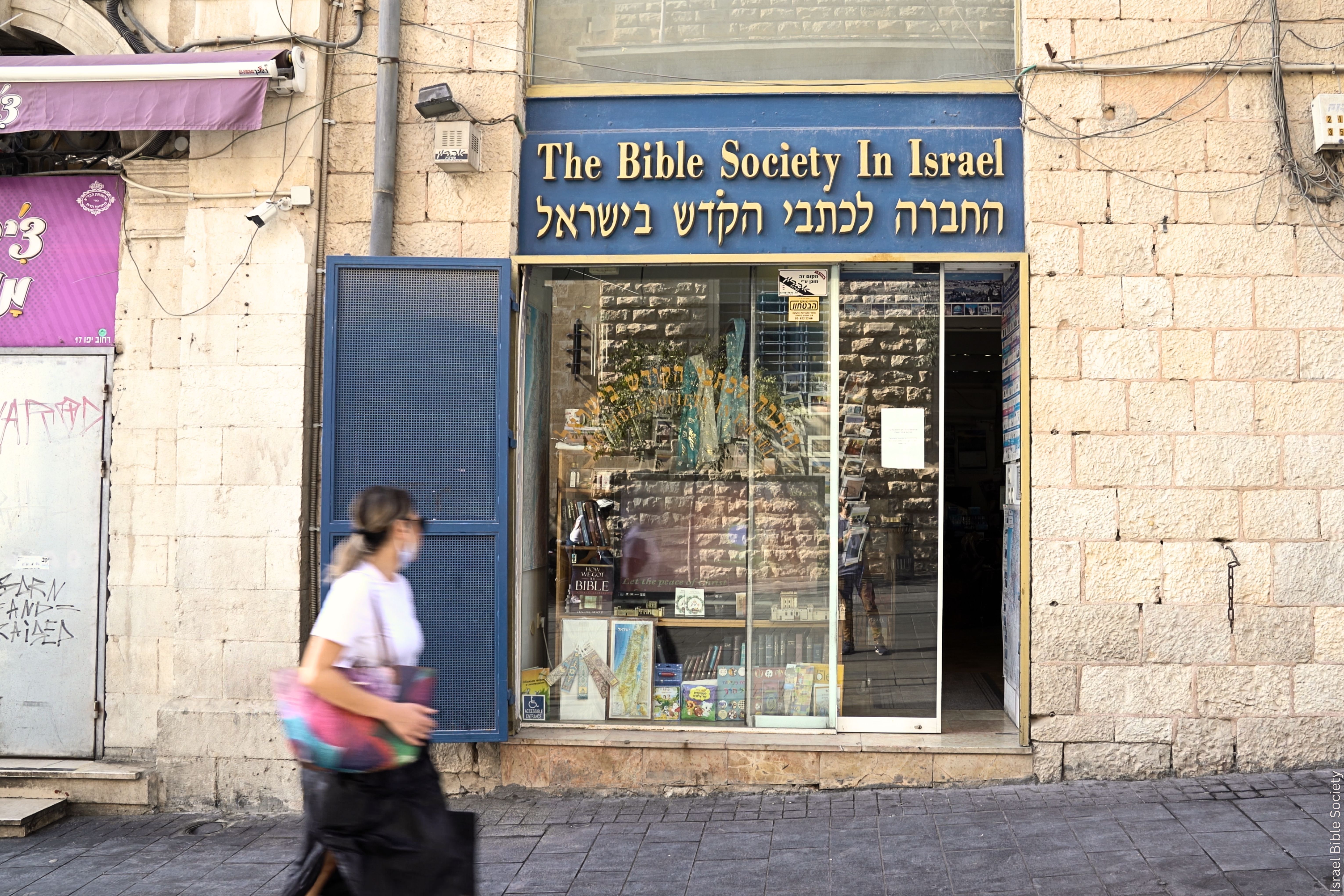
While you can find anything from the Quran to books on the Devil himself for intellectual studies, you cannot find a New Testament or any commentary books on Yeshua in any major bookstore in Israel.
This is intentional systematic censorship. We know. Maoz has hundreds of Bibles and book titles translated into Hebrew that these bookstores refuse to carry.

3. Singled Out
For my final wish, I would ask that we be allowed to meet together like everyone else.
In Israel you can meet and rally for virtually any cause. Wedding? Bar mitzvah? Business meeting? Conference on Islam, atheism or Hare Krishna? Gay pride?
Yes, on all of the above. In fact, a business can be sued if they refuse to host a gay wedding, but no such protections exist for Messianic Jews.
Almost every Messianic Jewish congregation in Israel has their story of “that time” they tried to rent a building and were hassled, harassed or shut down by some random legal technicality or building code violation, of which they alone were told to comply.
It is not rare for a hotel to refuse to host a Messianic Jewish conference while embracing a Christian one. It is not unusual for an Israeli congregation to try to purchase a property, only to be blocked by legal challenges from a municipality controlled by the Orthodox Jewish community. It is not strange to hear of sudden fines or back taxes being slapped on a place where Jewish believers meet, in an attempt to get them to move. And it is not unheard of to see ultra-Orthodox activists stand outside of meeting places photographing attendees, to research who they are and see how they can make their lives miserable or scare off new believers.
Abandoned Jews
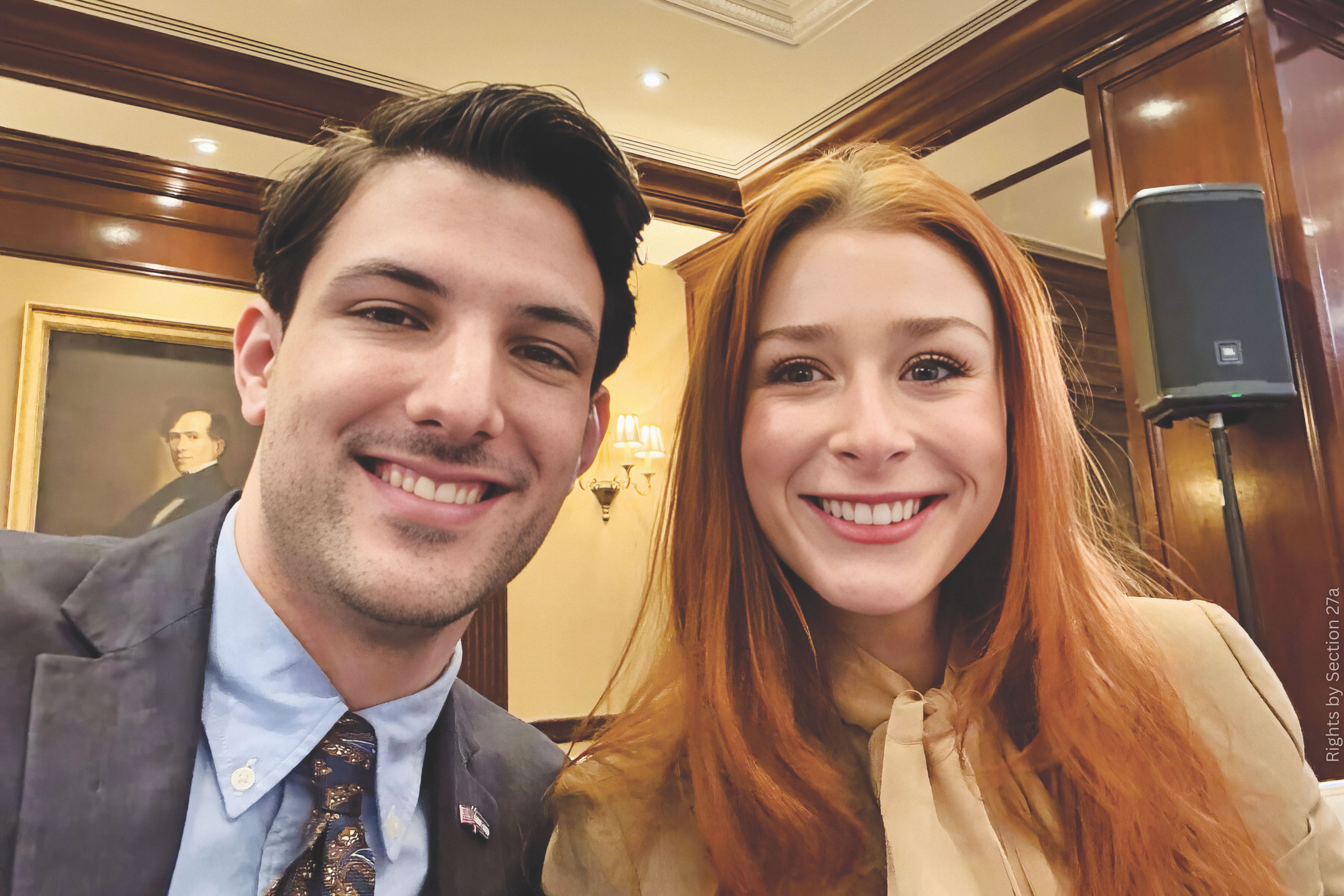
It’s unfortunate that the identity of Jews is now regarded as a matter of opinion, rather than historical evidence. But the most serious predicament here is that a world that hates the Jewish race doesn’t care what the Israeli government thinks. If you want an example, look no further than Yaron Lischinsky, and his intended bride Sarah Milgrim, who were representatives of the Israeli embassy. They were murdered in DC for being Jewish—even though by precedent, Israeli law would argue against their “Jewishness” because they openly believed in Yeshua.
What happens to rejected Jews who live abroad when the world turns on them? Where will they go?
My wishes are for three changes in our society. But my prayer is really that Israel’s leaders would recognize Jews for who they are—a nation. A race of people. A genetic history. The children of a renowned man. And most importantly—the most solid, undeniable, scientific evidence of God’s eternal faithfulness.

Stand With Israel’s Believers
Maoz Israel is bringing Yeshua’s truth to every corner of the Land. Your donation equips believers and reaches the lost—be a part of this eternal work today.