Fight in Flight
Get out! We will manage the situation now. That is our policy!” two flydubai crew members shouted as they tried to enter the cockpit.
A handful of bloodied Israeli passengers blocked their way. “No! Der iz new policy now,” shot back Tzvi, an Israeli banker by day, who had just subdued a co-pilot-turned-terrorist thousands of feet above the earth, “We manage de situation! You sit down.” Fully in agreement with Tzvi’s demands, nearby Israeli passengers stepped in and escorted the flight crew to empty seats. In the fear and confusion of the moment, lines had to be drawn. Someone had just tried to hijack a plane full of Israelis. Anyone who did not speak Hebrew was suspect.
Outside the cockpit lay the flight’s two pilots—the co-pilot tied up with headphone cables, and the captain bleeding out and barely conscious. An Israeli dentist named Shota tended to the captain who had been badly wounded fighting off the co-pilot. By all accounts, this captain was the reason everyone was still alive.
Yaniv, a plumber by day, was the first to rush in and pull the co-pilot terrorist away from the instrument panel he was attempting to destroy. More Israelis came to the rescue, pulling the terrorist out of the cockpit as Yaniv reached for the joystick to pull the plane out of a deadly nosedive. Aviation experts later looked at the data astonished, “The numbers don’t make sense. The plane shouldn’t have survived that type of force!”
Two off-duty pilots traveling aboard had taken over the damaged aircraft. Their immediate attempts to steady the plane and seek out an airport to land gave the Israelis confidence they could be removed from the suspect list. No one knew at this point that the rudder had broken off during the 17,000 foot sudden plunge.
The crew tried to stop passengers from filming. But the Israelis countered, “We are about to land in Saudi Arabia. We need to document what is happening so they will believe us. We’re covered in blood, we’ll be the first ones they arrest when we land.”

When the wheels finally touched down in Tabouk, Saudi Arabia, the tense moment was broken with the declaration “Nitzachnu!” (We won!). The plane full of mostly Israeli passengers cheered, singing praises in Hebrew, “God our Father lives! The people of Israel live!” and, “May His Name be blessed! He loves us and good things will follow us!”
Ways of God
King David often spoke of how he loved the ways of God—how God does things. The telltale things you find in the stories that He authors. The way He establishes norms and then parts from them just to mess with us. Where the oldest son is supposed to be the obvious choice—but God goes with the youngest. When the man is supposed to be the hero, but the woman is the first to recognize God’s plan. Where the Jews have a mission, but without the intervention of a key person from among the nations, they would’ve never succeeded. Perhaps, this break from the norm helps those of us who are watching and listening recognize that something unique is unfolding.
One thing remains constant: God’s ways always lead us to Him. He is the hero of the story. A refuge for those who love Him and the greatest terror to those who oppose Him. When God authors a storyline we are left standing in awe.
The recent attempted hijacking of the flydubai flight FZ1073 on September 30 is so full of these truths, it feels like a modern-day Bible story.
We don’t have to understand it all. It’s why we worship.
The Testimonies
Let me preface by saying that, with almost 200 people on board and the dramatic nature of the situation, news outlets published bits and pieces with varying details in their attempt to get the story out quickly. Some say the 6-year-old girl Nina woke her mother after going to the bathroom, others say the mother was waiting outside the bathroom door when she heard banging inside the cockpit and alerted others. Some witnesses thought the jihadi co-pilot had snuck a knife on board, though it is now believed he used the cockpit’s emergency axe. Even flydubai initially described the attempted hijacking as an “altercation between two pilots.”
Interestingly enough, crime experts say that people often remember experiences differently from their own vantage point, especially in times of duress. Meaning the varying recollections of the passengers’ firsthand testimonies actually make the events more believable. And the overall storyline from all is consistent—an Islamic terrorist tried to crash a flight full of Israelis during the week of October 7th. He was thwarted by everyday Israelis. Among them, a plumber, a banker, an insurance guy—and a six-year-old girl.
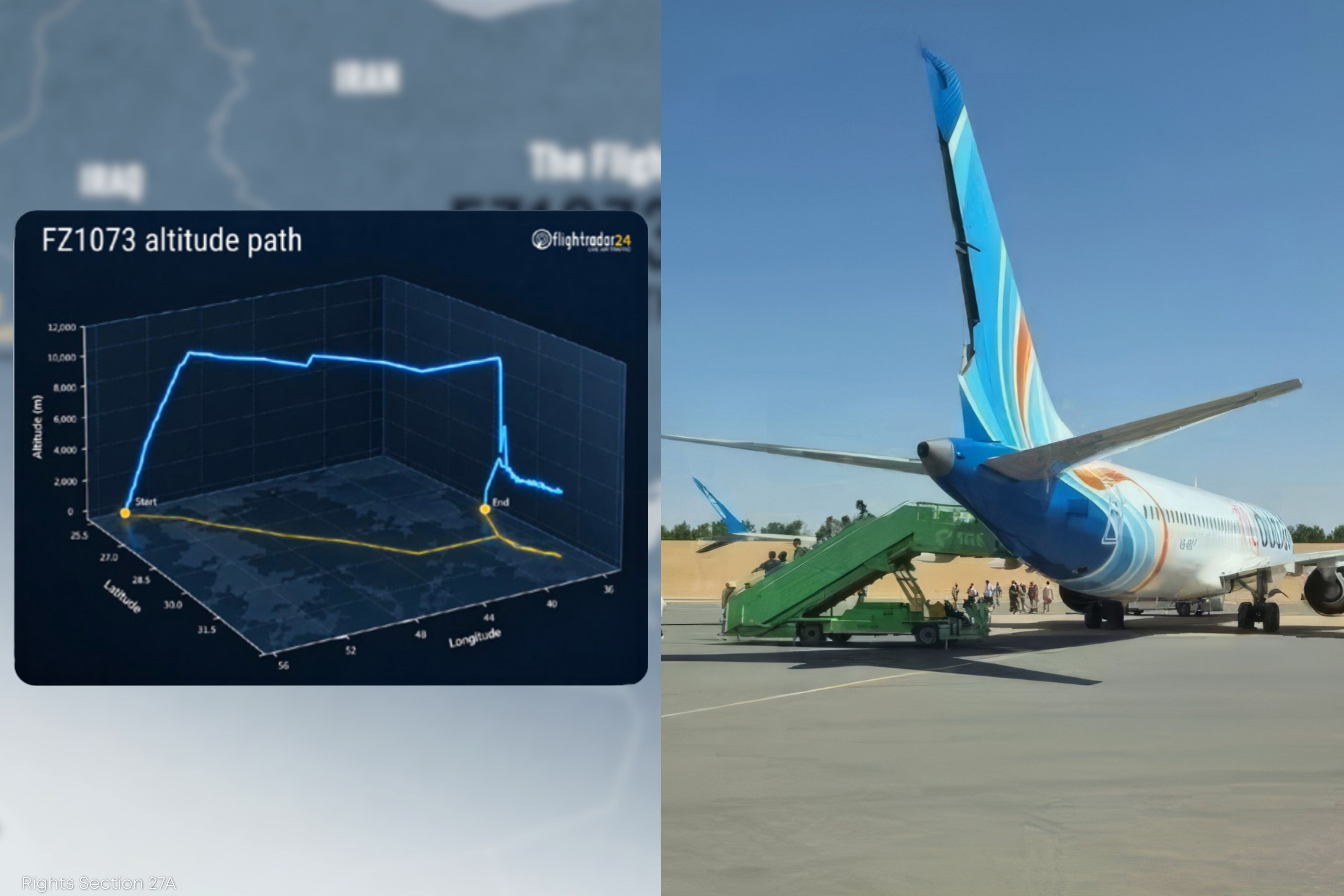
When a terrorist attacks, seconds matter. Executive producer of Air Crash Investigation, Alex Bystram, said, “The plane was probably about 90 seconds from hitting the ground.” Steve Arroyo, a former United Airlines pilot and aviation safety expert, told AP: “I’m just amazed the aircraft didn’t come apart,” when he saw the data showing the plane flying at 34,000 feet dropped half of its altitude in less than two minutes.
The Comradery
Israelis from all walks of life have one thing in common. The term מחבל (terrorist) elicits an instant well-rehearsed mental reaction: Neutralize the threat or die. The heroes of that flight were not big guys in the physical sense. Not trained combat soldiers. But the speed at which complete strangers became a united front gave them the upper hand.
In an interview, one of them explained, “The way I saw it, everyone on the plane had a role that mattered. I saw mothers caring for their children and that was important. At one point I walked by and saw a woman praying and I thought, ‘Good. She’s in charge of praying so I can take care of other things.’” All were of one mind to survive and save their families—and surviving is what Jews do best.
In cultures unaccustomed to the spontaneous nature of terrorism, reaction times can be slow as people try to process what they are seeing. “Terrorist?” their mind would argue, “Why would they attack here? Maybe there’s a misunderstanding... Can we get someone to talk to the guy... ?”
This inexperienced thought process is often why the international community responds with such contempt to Israel’s defensive measures. Perhaps it’s the same logic of the crew member who demanded that the terrorist be untied while still in the air! He was arguing that the terrorist was “no longer a threat” and “no one had the right to play God and kill him.” The Israelis of course refused, “We didn’t want to kill him, we just wanted him not to kill us.”
Terrorists are not criminals looking for money to live luxuriously on a deserted island. To Islamic Jihadists, Jews, Christians, Hindus, Buddhists, atheists and even Muslims (who live in peace with Israelis) must be eliminated from the earth to please Allah. Terrorists can’t be won over by talking about “things we have in common.”
Enemy Territory
Landing in Saudi Arabia was its own soap opera. By all personal accounts, the Saudis on the ground were magnificently gracious. But decisions had to be made on a government-level. Israelis and the Saudis are not friends. Saudi Arabia is home to the cities of Mecca and Medina, where non-Muslims are not even allowed to step foot. Saudi Arabia has long refused to normalize relations with Israel without “the establishment of a Palestinian State and an end to the war in Gaza.”
Approving the request for an Emirate plane full of Israelis to land on its soil was a time-sensitive humanitarian emergency—a gray area. The unthinkable alternative was almost two hundred dead civilians, some of which were citizens of friendly states. Still, the follow-up request by Israel to permit an Israeli plane to fly to Tabuk, Saudi Arabia and pick up the passengers was a solid no. “Normalization cannot be forced on us,” explained the Saudis.
The Saudis’ caution is not unwarranted—status quos in the Middle East are established in two methods: Agreements made after long drawn-out talks—or sudden chaotic moments.
Example of method one, in the mid-1990s, extensive negotiations led to the Oslo Accords, which handed the Palestinian Authority autonomy over certain areas in Judea and Samaria (the West Bank). The arrangements were intended to lead to a lasting peace with Israel. The result may be best described with scientific terminology. Land is a solid and peace is a gas. Gas is hard to hold in your hands, and a solid, once placed in someone else’s hands, can be hard to get back.
On the flip side, when Syria’s government collapsed suddenly in December 2024, Israel moved quickly. Within days, Israeli forces took control of the Syrian side of Mount Hermon, a strategic high-ground position overlooking both countries. Now Syria’s new government wants Israel to give it back. But everyone knows Israel captured the first half of Mount Hermon during the 1967 war, for the very same strategic defensive reasons. And after all these years, despite international pressure at times, little has been done to force Israel to return it. So why should the situation be any different now?
Home Sweet Home
Some say Israel was surprised the Saudis wouldn’t let them send a plane to pick up the passengers, considering the extreme circumstances. But to be fair, I’m not sure you can blame the Saudis for being stubborn. Two of the most internationally successful Israeli TV shows, Fauda and Tehran, are chock full of the creative ways Israel infiltrates enemy territory.
In the first episode of Tehran, an international airline has engine problems and makes an emergency landing in Iran. On the plane is a random Israeli couple who understandably panics at the idea. They are questioned then released. Meanwhile, the true reason for the “emergency landing” is the undercover Mossad agent posing as a flight attendant. While on the ground, she makes a switch with a local Iranian flight attendant and stays in Iran. It’s all entertainment of course. But while Middle East leaders rarely praise Israel in public, few would belittle Israel’s covert and military capabilities.
The Saudis were adamant that the passengers would only be allowed to return to Tel Aviv via a new flydubai flight. It took about eight hours to work out details that included the Mossad vetting an entirely new crew—and (perhaps the more challenging task of) convincing passengers to board another flydubai plane.
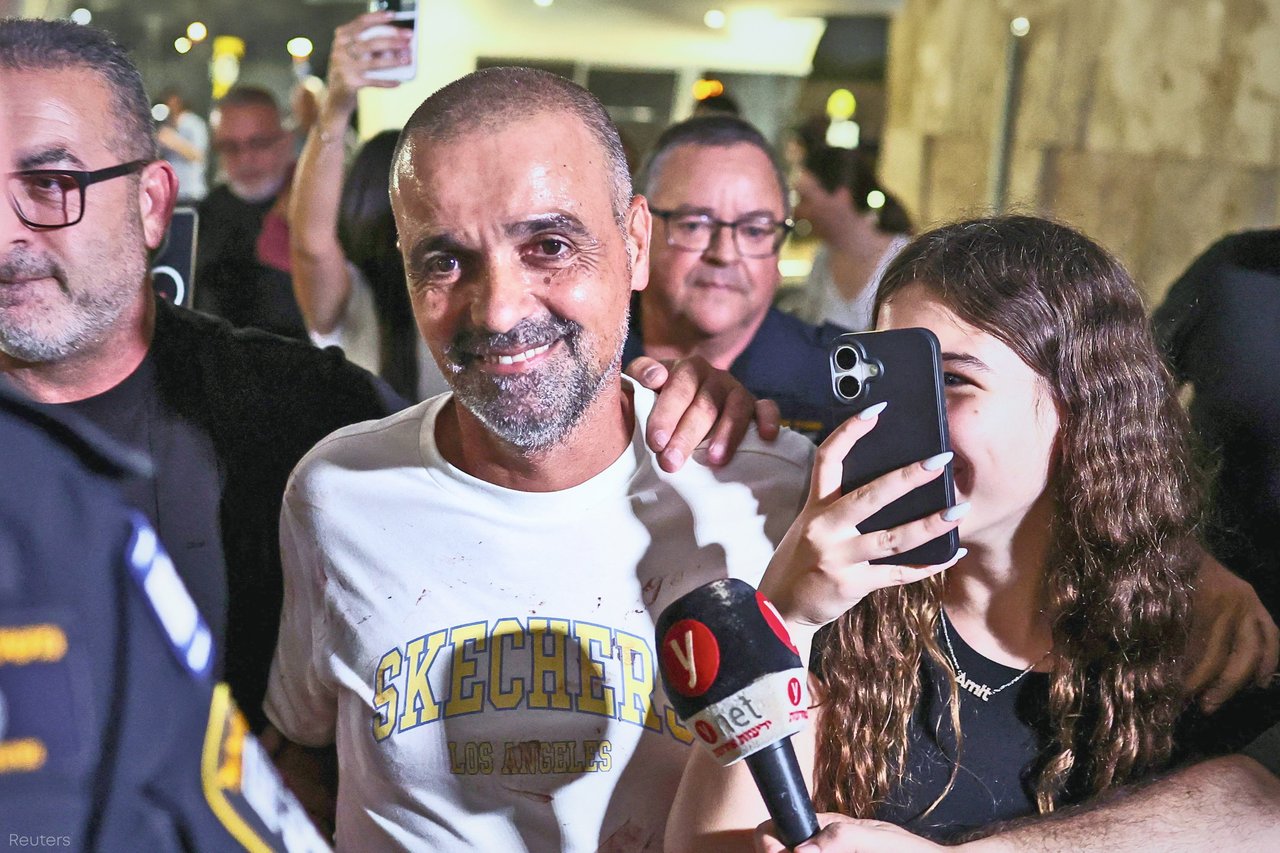
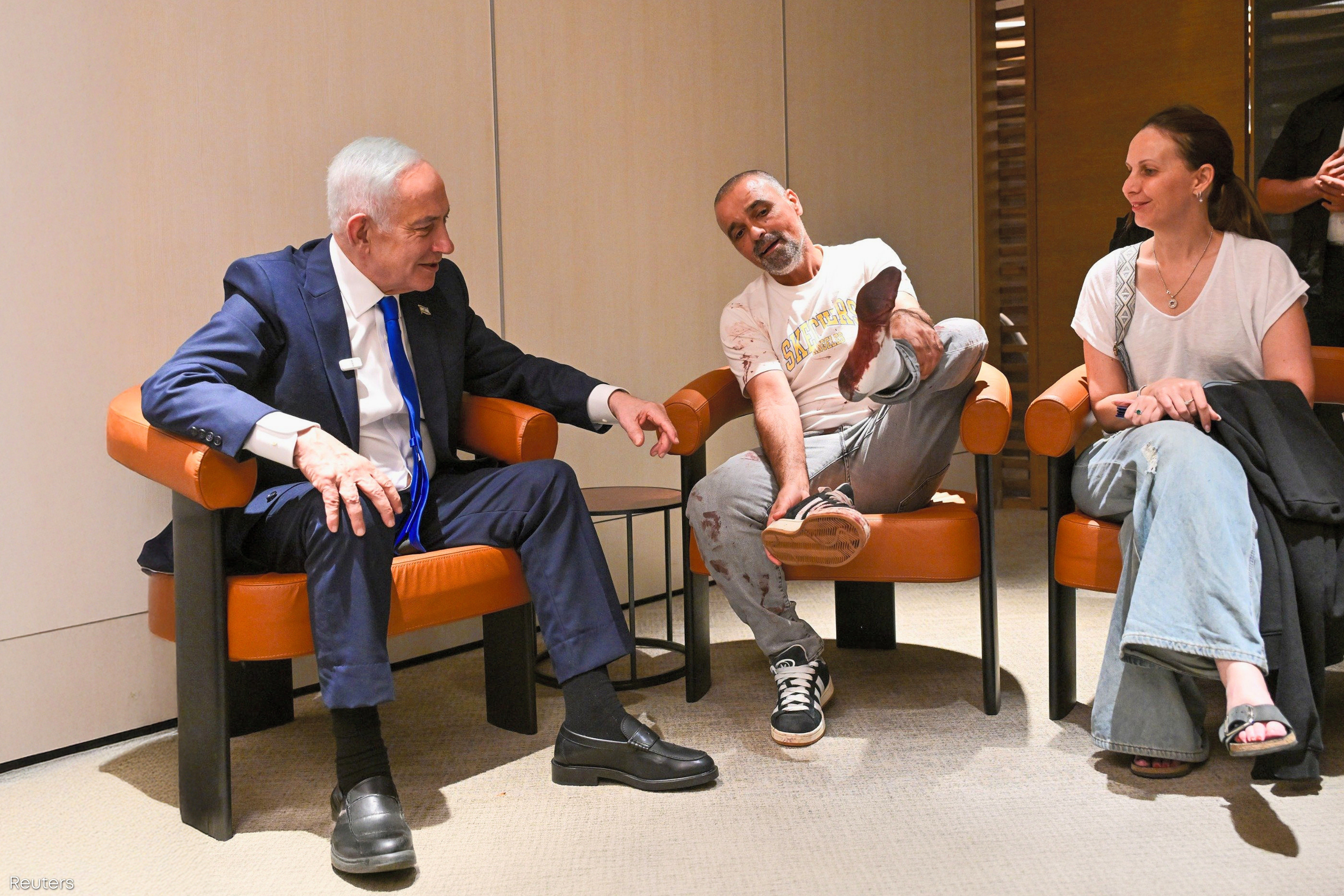
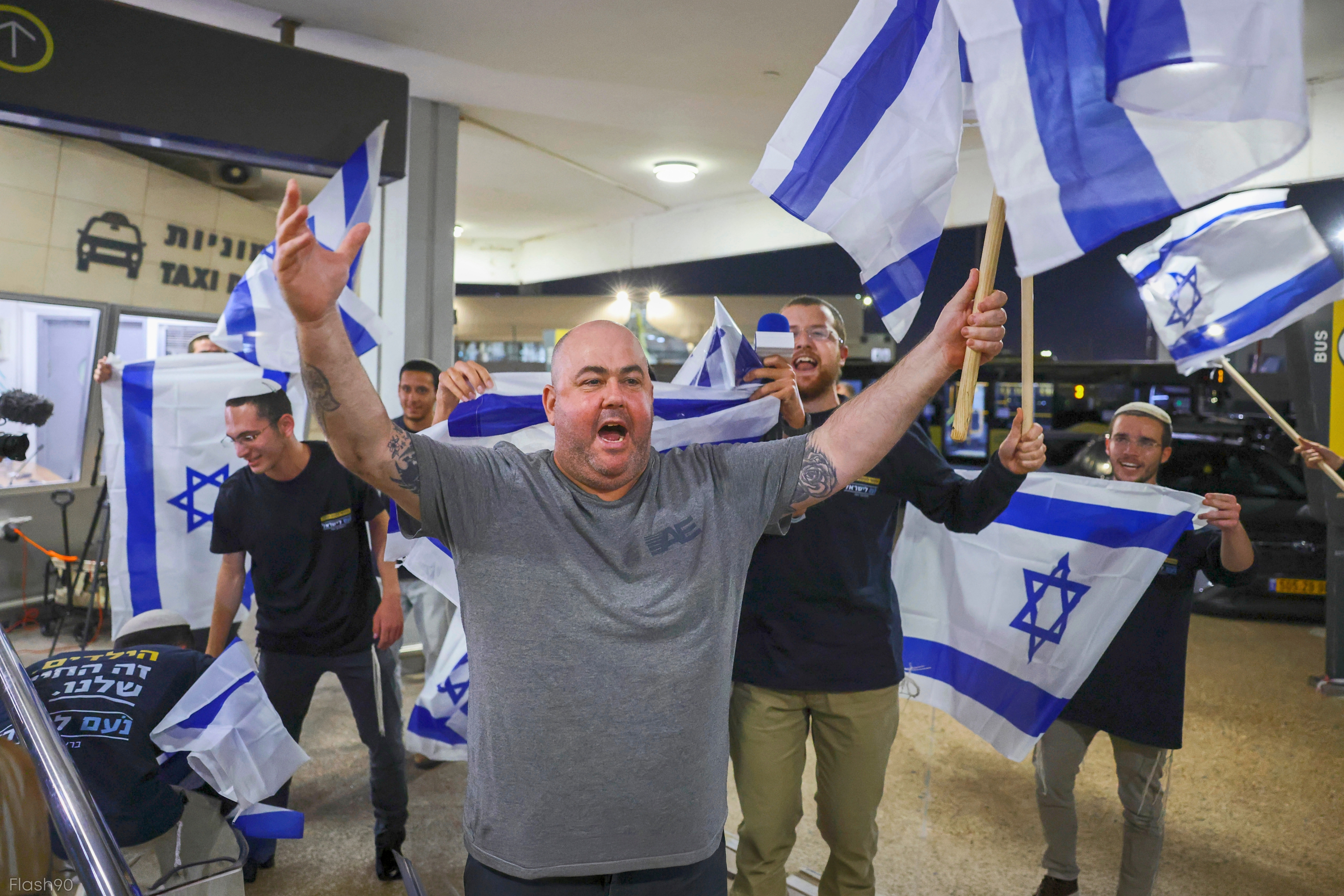
Needless to say, everyone made it home safely. Yaniv, the plumber, was whisked off to meet the Israeli Prime Minister at the airport. The rest of the passengers were greeted by the media and a good crowd of Israelis dancing and singing and praising the God of Israel.
There’s No “I” in TEAM
Yaniv who happened to love watching plane crash investigations, knew to reach for the joystick—and pull it gently so the sudden change in direction wouldn’t break the plane. If not for Yaniv, everyone on that plane would’ve been dead within minutes.
But call any one person who took action that day a hero, and they will immediately point out that no single person’s efforts would have been enough to save the plane.
If the captain hadn’t fought off the terrorist and prayed for strength to give one last push and open the cockpit door before he passed out, no one would’ve been able to breach the reinforced door from the outside.
If the little girl hadn’t asked her mother Tali to take her to the bathroom, Tali wouldn’t have heard the commotion in the cockpit and alerted the others. Meaning, no one would’ve been outside, ready to rush in, just as the captain unlatched the door.
If the plane’s electricity (that had gone out) hadn’t kicked back on right as Yaniv pulled on the joystick, there would not have been enough time for the plane to regain altitude.
If there had not been experienced pilots on board, no one would’ve had the skills to take control and land the damaged commercial plane.
If there had not been three brave pilots and a plane full of audacious Israelis who wouldn’t take a hijacking sitting down—our nation would’ve spent this October 7th once again gathering pieces of our dead.
But, if God had not supernaturally held the plane together, that by all accounts should not have survived those speeds, it wouldn’t have mattered how heroic everyone had been on board.
Evil to Good
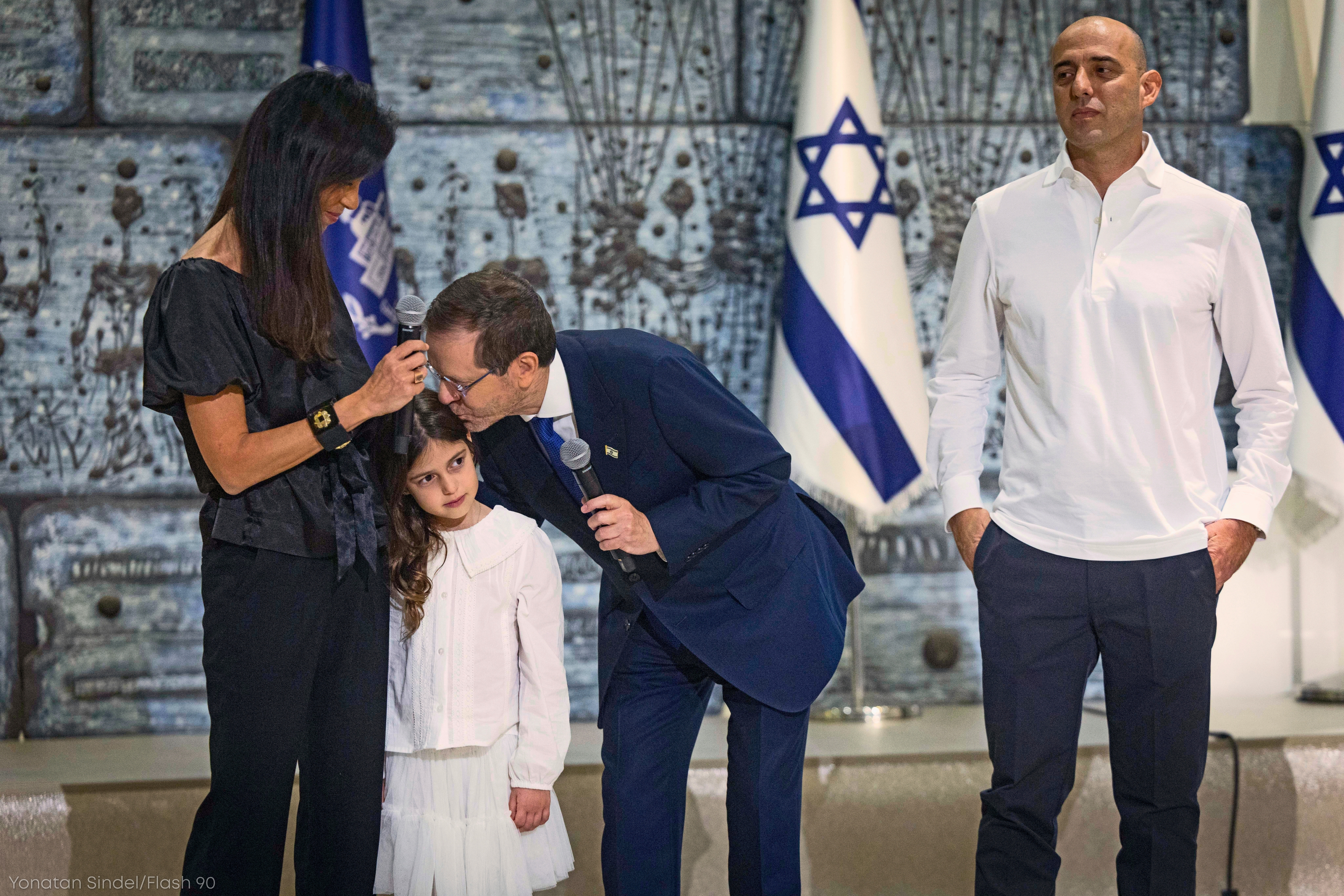
So many things had to go right for everything to end the way it did. Besides the instant celebrity status the Israelis earned, experts say each of the passengers is likely to receive at least $250,000 for their troubles. Much like Haman in the book of Esther, the man who schemed to take the lives of so many Jews, has instead provided them notoriety and prosperity. And did you catch his name? Hamam al-Hammami! (Why do all the famous people and organizations who want to kill Jews have names that start with H?)
And did you catch the number 3 in the story? Three often speaks of wholeness, hope and restoration. Of God fulfilling His promises of resurrection. So, it’d be hard to ignore the number of the historic flight 1073. 10-7-3. Or October 7th, three years later.
This miracle of biblical proportions has at least two notable points:
1. God likes using ordinary people to do extraordinary things. He used fishermen, tax collectors and shepherds then. So why not use plumbers, insurance agents and bankers today?
2. Jews and Gentiles bring unique qualities to the table and can accomplish amazing things when they work together. The Bible is full of moments where Gentiles played key roles in the story of an Israelite victory. The midwives who saved Hebrew babies like Moses. Rahab who protected the spies so Israel could conquer Jericho. And the eunuch who favored Esther played a role in helping her reach a position of influence where she could save her people. And even the wise men protected Yeshua, simply by going home a different way.
Israelis are being hailed for fighting ruthlessly against a savage enemy. But it was the Indian pilot who had to open the door and allow the Jews in. Like on this plane, we often find Gentiles holding a place of authority and skill to lead the way. But it was Israelis who identified evil in time and held it at bay.
The conclusion? Guys! We need each other!

Stand With Israel’s Believers
Maoz Israel is bringing Yeshua’s truth to every corner of the Land. Your donation equips believers and reaches the lost—be a part of this eternal work today.