Home Sweet Home
War Relief

With the hostages now alive and back home, a seemingly endless stream of their harrowing stories from the past two years is leaking through various media outlets in Israel. This is unlikely to end anytime soon, as the hostages will likely share more of their story as they recover, and Gaza is fertile ground for creative malevolence.
There was physical torture. Violent beatings, electrocutions, and, of course, other abuses that we will not describe. When they needed medical attention or even surgery, it was only granted on occasion, not always by doctors, and never with anesthesia. Some hostages were tied to cages and even chained together so they had to urinate together.
The guards openly ate four meals a day of fresh food, while the hostages were given half a stale pita or perhaps a couple of falafel balls a day. During Passover week, in observance of the commandment to eat only unleavened bread, the hostages refused to eat pita. On Yom Kippur, they fasted.
There was psychological torture. The longer the hostages were held captive, the worse the treatment became. Apparently, for some captors, it was important to keep morale low. Sometimes, they would tell the hostages they were about to go home. Then they would tell them they would never return. They learned not to believe in anything, except that if they held out long enough, they would be released. One of the hostages was separated and locked alone in a room because he was caught smiling. Several recounted being mocked and told that their photos weren't posted in Hostage Square and that their families weren't marching for their release.
After several successful rescues by the IDF, the evil captors warned: “Don’t think you’ll be rescued. If the IDF approaches, even by accident, we’ll know and we’ll shoot.” Thus, they feared encountering the IDF more than the terrorists.
The constant threat of angering a guard was real. Dozens of times, Yosef Ohana faced the barrel of a gun and had to convince his captors that he was more valuable to them alive than dead in a hostage exchange.
Hamas also recorded videos to torment Israelis in their country. It was strategic: to foment discord and division in Israel and put pressure on the Israeli government. The video of Aviyatar David, emaciated and skeletal, forced to dig his own grave in a tunnel, was particularly difficult to watch. "They told me to dig my grave and that they would bury me here in Gaza," he said in a trembling voice as he weakly held a shovel over a hole in the ground.
In another video, Guy Gilboa-Dalal was filmed alongside Aviyatar sitting in a car, forced to witness the release of other hostages, even though they knew they themselves would be returned to the tunnels. Many other videos were recorded showing hostages being forced to read propaganda statements and feign injury or death.
Only
There is so much to share that it's not easy to strike a balance between listing countless atrocities and conveying the nightmares intimately. In time, books and films will be created to document and commemorate what happened. So, in the meantime, we'll tell you a little about one of the hostages, Rom.
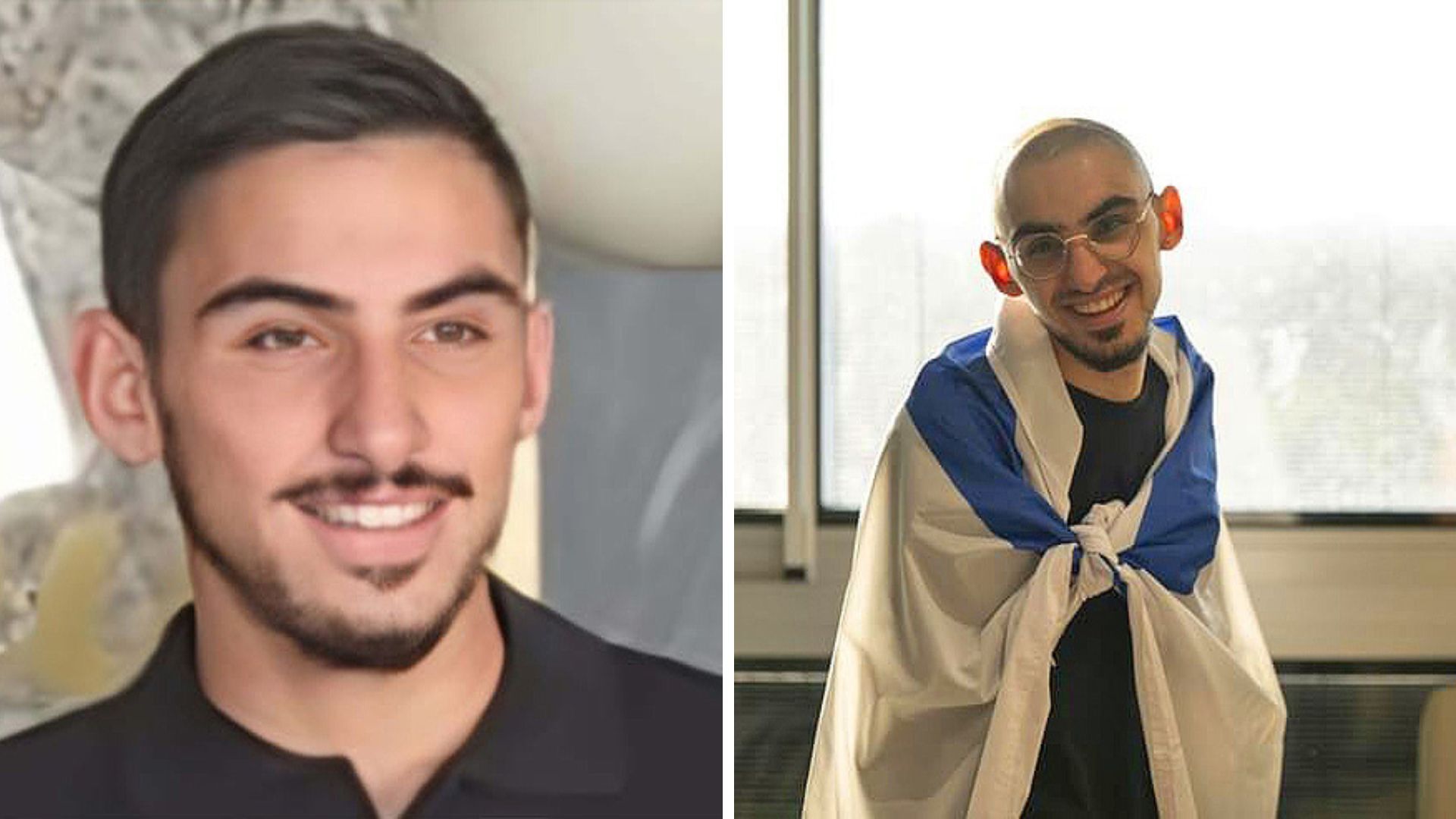
Rom Braslavski was 21 years old and working as a security guard at the Nova Festival on the day of the attacks. Around 10:30 a.m., four hours after the massacre, Rom called his mother to explain the situation and that he was staying there to help the wounded escape and hide the bodies of the dead so they wouldn't be desecrated. "I'll be home in a few hours," he assured her.
That was the last anyone heard of him until Hamas released a video of him in captivity. Except for two days, Rom was held incommunicado for two years.
Sometimes they held him next to the corpses of the hostages. Sometimes they tied his hands and feet. But they always kept him alone in a dark room. Rom comforted himself by singing and praying a lot. When he returned, he told his mother, "I always knew that one day this would end."
His guards gave him half a pita a day, whipped him, and lied to him about how his family had given up fighting for his release. "Israel has fallen," they told him. "Thousands of your soldiers have died. Iran has wiped Israel off the map..."
They also offered him all sorts of little gifts and extra food if he converted to Islam. He replied, "I'm a strong Jew. I won't fall apart." When he got home, his only request was to see the sky. When they pressed him for something more substantial, he admitted that he would love some chocolate.
The problem with the Israelis
In a recent survey studying cultural differences between Jews in Israel and Jews abroad, Israelis were asked: “If a Jew anywhere in the world were captured, would you risk your life to free him?” 90% of Israelis answered yes.
There are several things the world can understand from this statistic.
- 1. We Israeli Jews have a very strong sense of personal identity and connection to our ancient heritage.
- 2. Israeli Jews have a strong bond with one another despite their many political, philosophical, and religious differences. We believe that our destiny is to survive and thrive as a people. That is why we sing: "Am Israel Chai!"
- 3. Israelis recognize that the world is a dangerous place for Jews. And that in every generation someone will rise up to try to destroy us. And that it is our duty to protect our people everywhere, and ideally, to bring them back to their homeland.
The sad thing about all this is that our enemies understand our bond and sense of mutual duty. They even openly admire it, in a morbid way.
In most countries, a hostage situation affects the family, loved ones, and perhaps the Ministry of Foreign Affairs, which handles international affairs. It's rare for people outside the situation to even know that a kidnapping has taken place. And an exchange is likely to occur only if the negotiation benefits the country. Some countries simply respond: "We don't negotiate with terrorists."

This is not necessarily a cold and indifferent approach. It is a logical stance that understands that as soon as evil people are rewarded for doing evil, they will release the hostage, take the reward, and kidnap someone else.
Israel is never logical in its own affairs. That's why the master plan of October 7th had two objectives:
- 1. To inflict as much pain, suffering, and destruction as possible simply because Jews deserve to suffer.
- 2. Take enough hostages to negotiate the release of all Palestinians held in Israeli prisons. And hide the hostages throughout Gaza to serve as human shields for Hamas against IDF reprisals for the attacks.
Trade wars
It wasn't a new tactic. It was a proven strategy.
Immediately after the 1948 War of Independence, Israel exchanged all its Arab prisoners for all Israeli soldiers and civilians who had been taken prisoner during the war. That exchange made sense. The war was over. A new nation was born, and everyone wanted to begin a new chapter. Unfortunately, subsequent chapters would not be written in our favor.
Throughout its modern history, Israel has experienced a steady stream of jihadist violence. As a result, it constantly pursues and captures terrorists. Some prisoners receive multiple life sentences for crimes such as murder. Others may be arrested for developing terrorist networks or arms smuggling. And still others may be arrested for minor offenses, such as being caught at a checkpoint with a weapon or throwing large rocks at police officers or through the windshield of a family car.
Then, every few years, the terrorists infiltrate and capture one or two Israeli soldiers, return to their territory, and begin negotiating the release of their fellow terrorists.
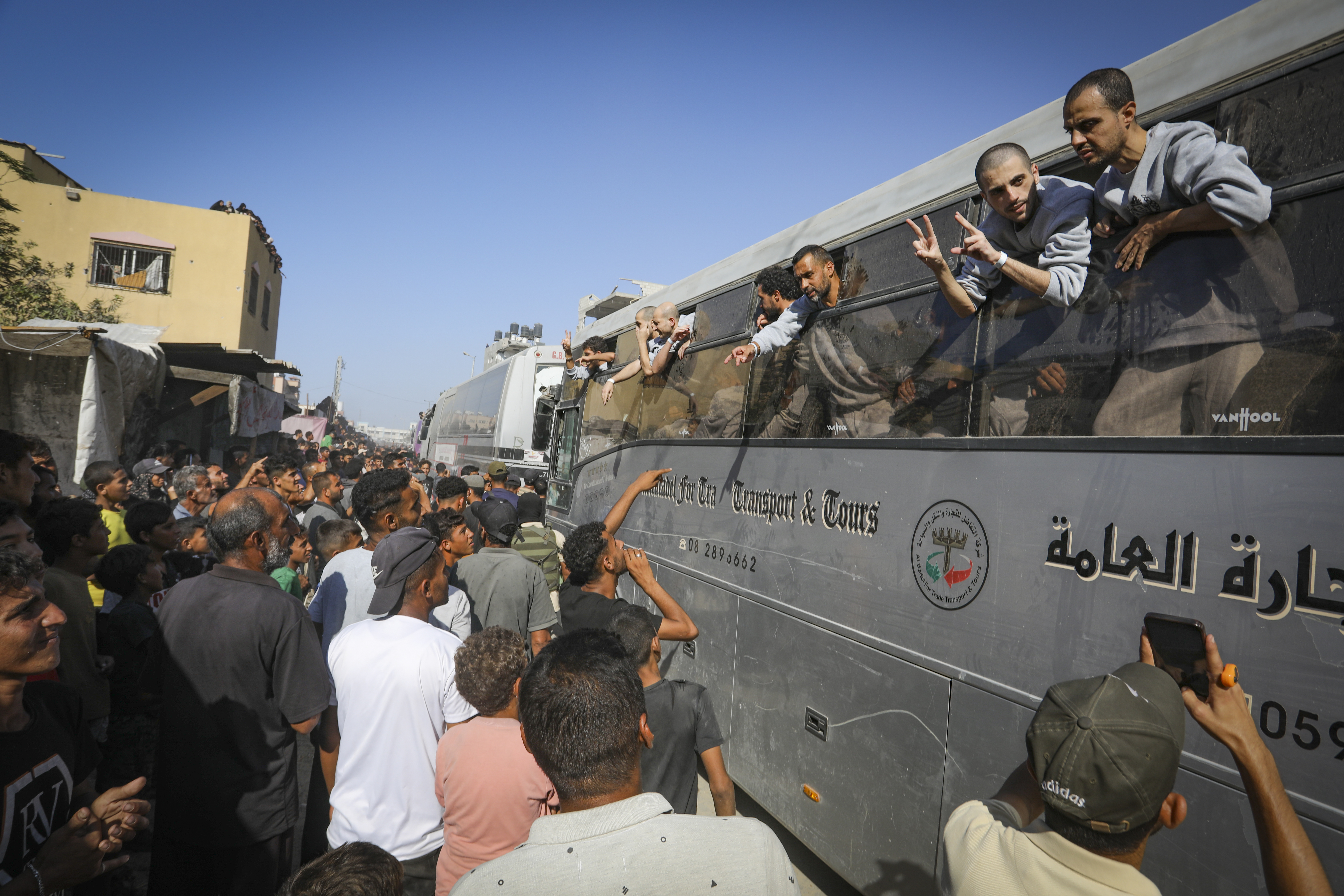
Israel has exchanged thousands of terrorists over the years with Syria, Jordan, Lebanon, Egypt, and a plethora of other Islamic terrorist organizations. The exchanges have never been equitable and, at times, have been ludicrously unequal, with hundreds of terrorists released in exchange for a handful of Israelis.
On one occasion, Israel exchanged five jihadist fighters and 200 bodies for two dead IDF soldiers. On another occasion, they released 436 prisoners in exchange for an Israeli who admitted to crossing into Lebanon to finalize a drug deal.
Bad business
The sad reality is that this cycle fuels terrorism in Israel. Because terrorists know that if they attack Israelis, they will either die in a glorious martyrdom or be captured and eventually released in the next prisoner exchange. Meanwhile, their families will receive payment for their time in prison from some wealthy Middle Eastern country through the Palestinian Authority.
Releasing prisoners is always a risk. It solves a current problem while sowing the seeds of a future one. The most striking example was when Israel Defense Forces (IDF) soldier Gilad Shalit, who had been held in Gaza for five years, was exchanged for 1,027 Palestinian prisoners. One of those 1,027 was Yahya Sinwar, the mastermind behind the October 7th attack.
Hamas understands that Israelis will not tolerate their own people being taken hostage. But among the hostages in this war were also Druze, Bedouins, Nepalese, Thais, Filipinos, Americans, and even Muslims, whom Hamas considered traitors for living and working peacefully in Israel.
Aside from having an insatiable thirst for blood, what benefit would there be in murdering or capturing non-Jews? Perhaps Hamas was pushing a new theory. Hamas was betting that the Israeli value of life would make a non-Jew captured in Israel as valuable a hostage as a Jew. And they needed large numbers of them.
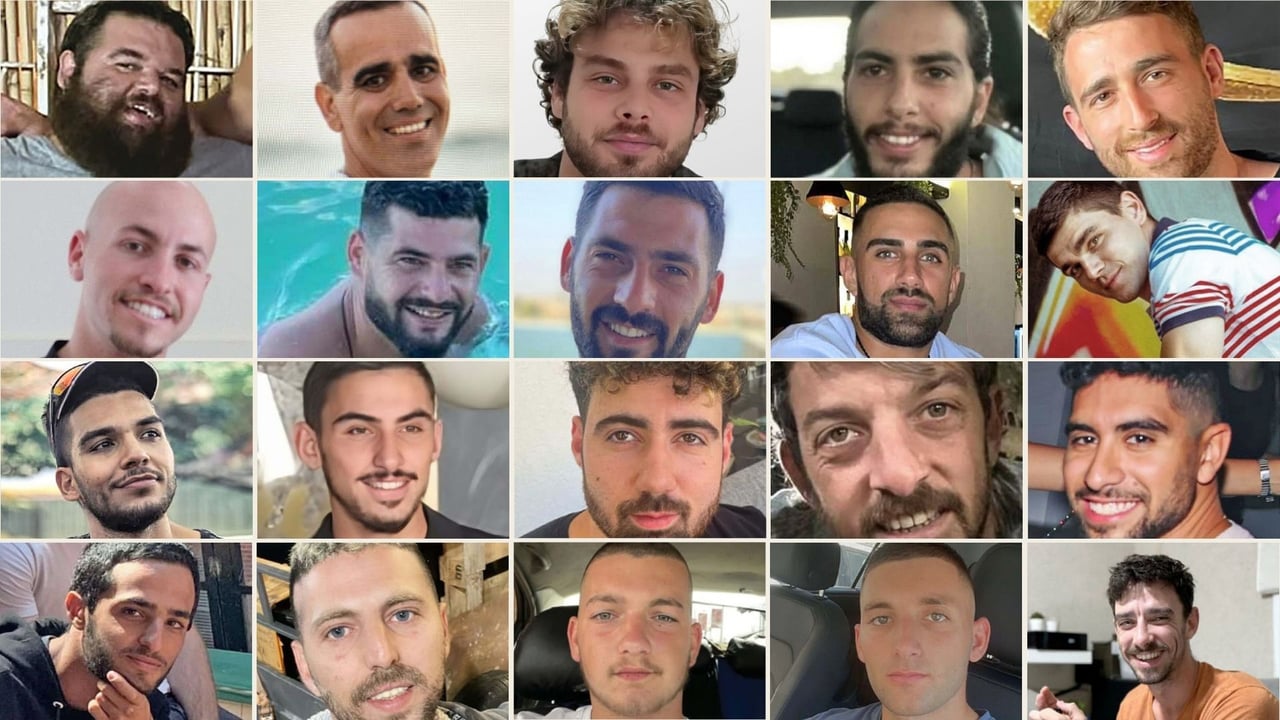
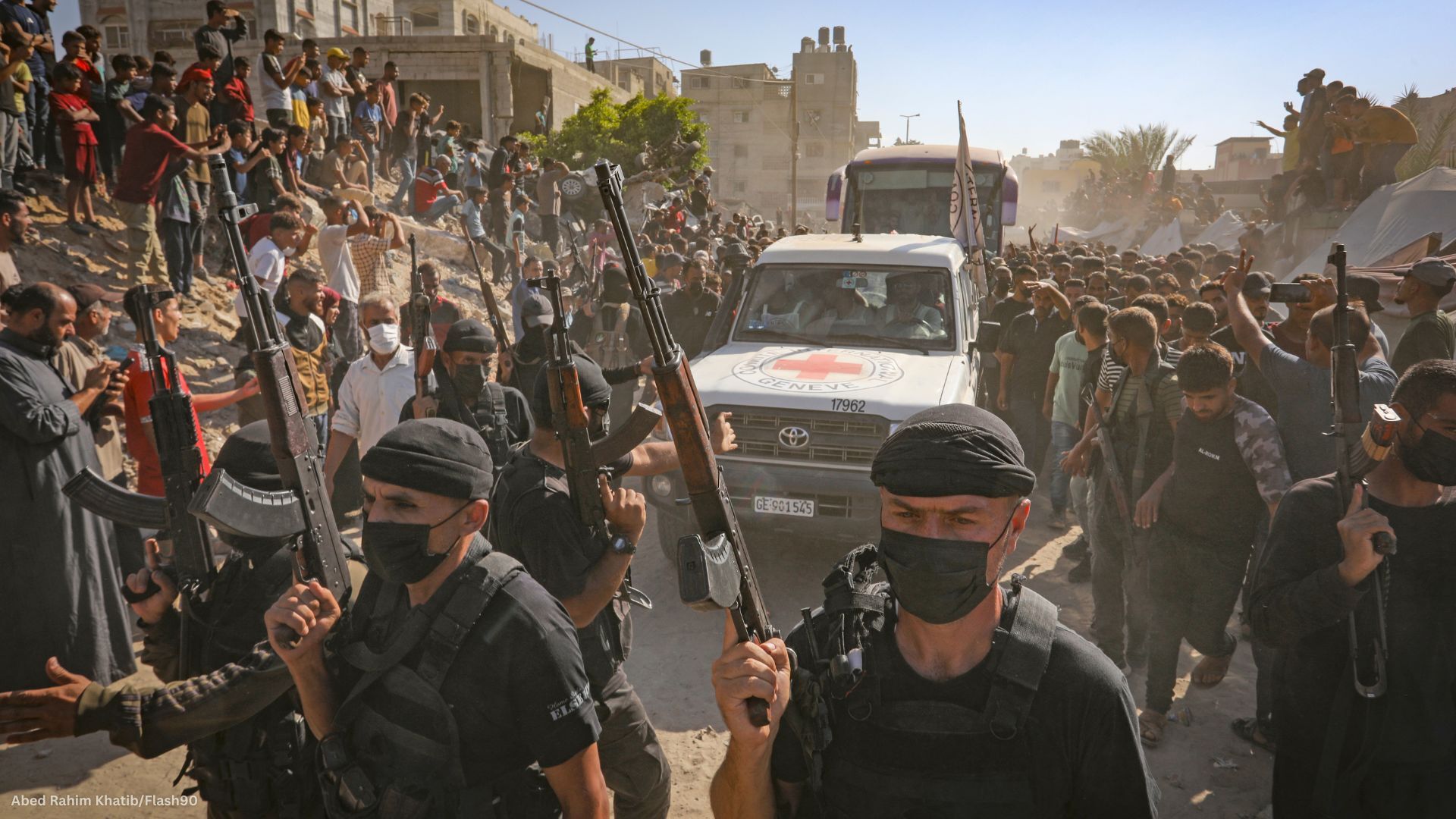
When the 251 hostages captured on October 7 were tallied, dozens were identified as having no Israeli status or Jewish affiliation. But Hamas had achieved the desired group size. Just days after the attack, Al Jazeera confirmed that Hamas was confident it had enough hostages to secure the release of all Palestinian terrorists held in Israeli prisons.
Achilles heel
Israel's protective nature toward its people is both a strength and a vulnerability for Jews worldwide. Both jihadists and white supremacists frequently target Jewish schools, synagogues, and businesses. And during the war, ships with even the slightest connection to a Jewish business or destined to transport goods to Israel became targets for Houthi pirates.
Israel has long sought to change the rules of the game. There must be a deterrent that makes the price of taking our hostages too high for the potential benefit of freeing a prisoner. Unfortunately, in diplomatic terms, that high price is often referred to as "excessive force." From the outside, countries that do not understand what it means to be constantly persecuted for one's ethnicity do not comprehend Israel's disproportionate response. Therefore, Israel's attempts are usually silenced by international pressure before achieving lasting peace and tranquility. In the case of October 7, only after President Trump's reelection was Israel able to inflict the high price of dismantling the circle of terror surrounding Israel, a circle that Iran had built over 40 years.
Some of the events leading up to this crucial moment included the fall of Syria and the elimination of top Hezbollah and Hamas commanders in Lebanon, who had cooperated so effectively with Iran. Since one of the main objectives of the October 7 attacks was the release of some 5,000 imprisoned terrorists, the loss of approximately 50,000 Hamas fighters constitutes a significant victory for Israel in terms of reducing this terrorist army. However, it does not discourage Hamas, as it relishes death and martyrdom. Therefore, the greatest victory came only when Trump intervened between Hamas and its backers. After all, even terrorists need money to feed their families.
Looking ahead, the question arises of what to do with terrorists captured alive. The Israeli legal system generally advocates for the imprisonment or exile of terrorists. However, some members of the Knesset have called for expanding the death penalty to eliminate the possibility of being forced to release unrepentant ideological jihadists with blood on their hands. Capital punishment is legal in Israel, but it has only been applied once, after World War II, against a Nazi.
Hostage Square
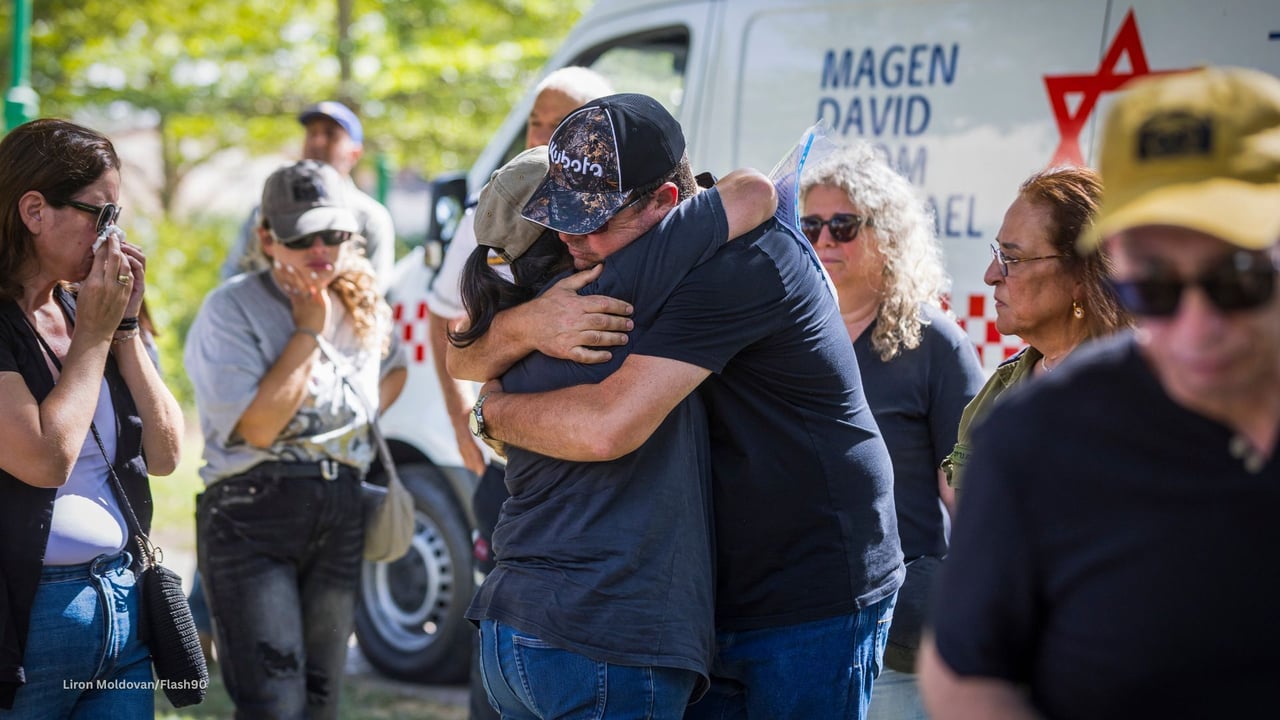
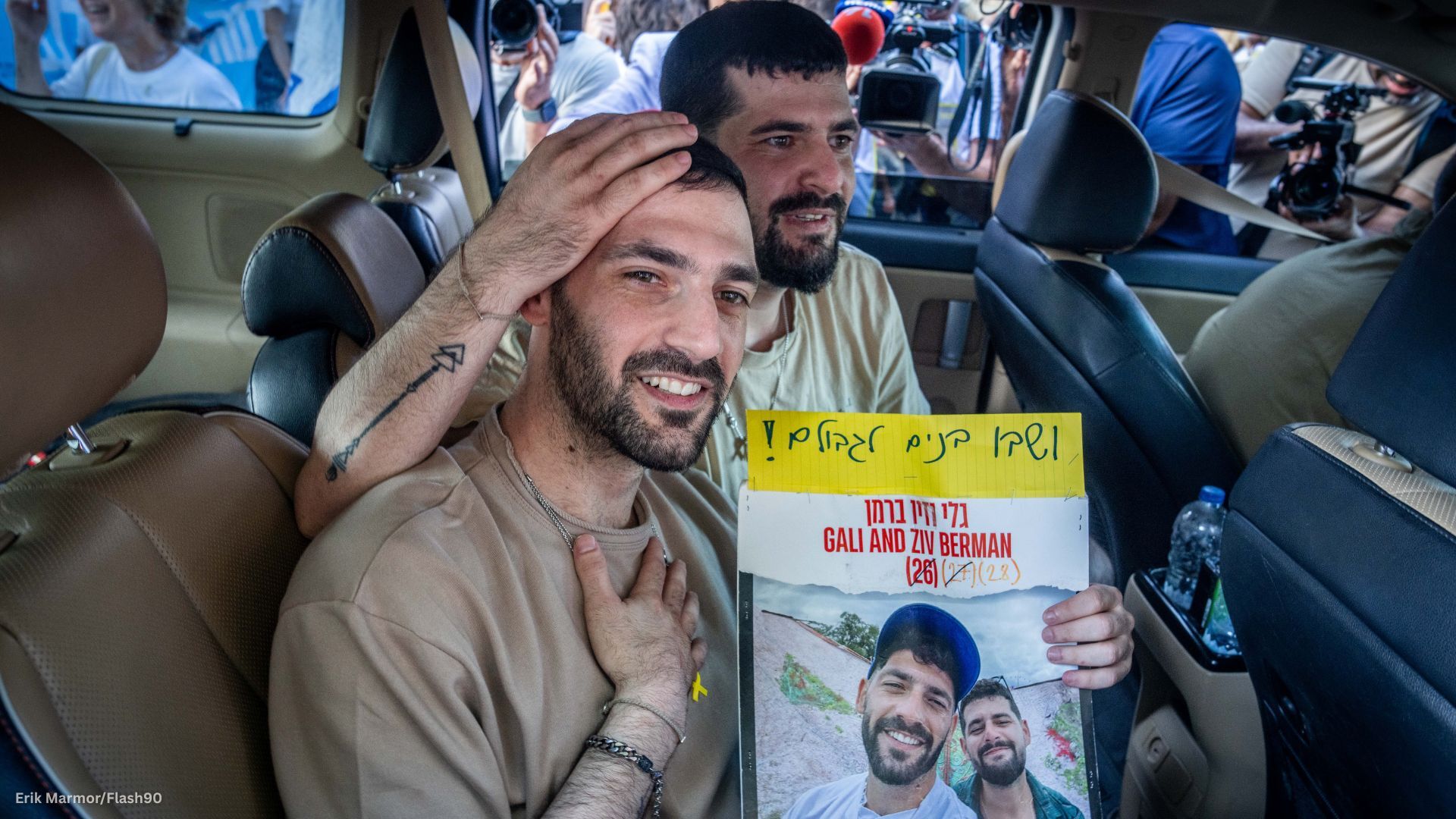
On the Israeli side of the border, the hostage situation united us as much as it tore us apart. Families who had never met were now bound together by fate in the life-or-death struggle for the return of their loved ones. They remained in a state of suspended agony and unwavering resolve. Some yearned and hoped to be able to embrace their loved ones again; others knew the bitter truth and simply longed for the closure of their dead's burial. It was terrible to witness. The Israeli media began and ended each day with the number of days the hostages had spent in captivity. Whether you knew them personally or not, you carried the weight of their absence with you. Anyone who lived here will tell you: the nation didn't breathe for two years .
At first, we learned that many of the hostages were given access to a radio at some point. (For some, it was so they could listen to the Islamic call to prayer five times a day.) The Israeli media found out about this, and so for two years, there was a constant presence of friends and family members of the hostages sharing their stories on news and radio programs, hoping that someone would listen. For two years, every interview ended with the question: "If they happen to be listening, what would you say to them?"
And by chance, that's exactly what happened!
In each round of hostage releases, we learned the details of their ordeal. Some were held in apartments with families, others in dark tunnels, and still others were moved dozens of times. Some were rescued by the Israel Defense Forces (IDF), others exchanged for prisoners. But they all told us the same two things when they returned.
“Thank you for fighting for our return!”
I am Israel Chai!
“Don’t stop until everyone is home.”.0

الوقوف مع المؤمنين في إسرائيل
ماعوز إسرائيل تنشر حقيقة يسوع في كل أرجاء الأرض. تبرعك يُهيئ المؤمنين ويصل إلى الضالين - كن جزءًا من هذا العمل الأبدي اليوم.